
The Best Electric Kettles for Daily Use
A practical buying guide focused on fit, maintenance, storage, and the details that decide whether a product keeps earning its place.

The Best Electric Kettles for Daily Use is the kind of coffee and tea gear decision that looks simple until the product is in the kitchen. The difference between a good buy and an annoying one usually shows up in water quality, pouring control, noise, grinder mess, scale build-up, cleaning, and whether the setup stays simple enough to repeat every morning.
This is a buying guide, so the job is not to crown one universal winner. The useful outcome is a shortlist of criteria that helps a reader recognise the right product when they see it. For this page, the useful question is not “what is the most impressive option?” It is “which choice will still make sense after a month of normal use?”
The buying decision
A reader coming to this page is probably trying to avoid turning a simple daily drink into a counter full of equipment before the basics are stable. That is the right instinct. Kitchen purchases often go wrong when the decision starts with a product list instead of a use case. Before comparing prices or finishes, it is worth naming the job clearly: what will this item do, how often will it do it, and what will make it irritating to keep using?
For the best electric kettles for daily use, the practical checks start with temperature control, grind consistency, pouring behaviour, scale management, workflow, and storage. These are not glamorous details, but they are the details that decide whether a product becomes part of the routine. A page that ignores them may look neat, but it leaves the reader to discover the expensive parts after buying.
What separates good from merely expensive
The strongest option is rarely the one with the longest feature list. A smaller, plainer, easier-to-clean product can be the better buy if it solves the real task with less friction. This is especially true in UK kitchens where counter space, cupboard depth, and hard-water maintenance can matter as much as headline performance.
The first filter is fit. If the product is too large, too heavy, awkward to clean, or hard to store, it needs to justify those costs with a clear benefit. If it only offers a marginal upgrade over something already in the kitchen, the more disciplined answer may be to skip it.
The second filter is repeatability. A tool that is easy once but annoying every week is not a good daily purchase. Handles, lids, baskets, cords, seals, blades, and removable parts all become more important after the product has been washed ten times.
How to choose without overbuying
The third filter is honesty about habits. A serious baker, a coffee hobbyist, a family cook, and someone cooking in a small rented flat do not need the same answer. The product that looks best in a studio photograph may be wrong for the person who has to clean it after work.
Where possible, compare products by the failure points. Does it wobble? Does it stain? Does it trap food? Does it need a special cleaner? Does it fit the hob, cupboard, sink, or dishwasher? Does it encourage a useful routine or create another object to manage?
This is also where price needs context. Paying more can be sensible when it buys better construction, easier maintenance, safer handling, or longer useful life. Paying more for size, styling, or bundled extras is harder to justify unless those extras match a real pattern of use.
Who should skip this purchase
A good recommendation should also say who should not buy. In this case, skip the purchase if the gear adds ritual without improving the cup enough for your habits. That advice may reduce clicks, but it makes the page more useful.
Category-specific notes
For coffee and tea gear, the best setup is the one the reader will repeat while half awake. Temperature control, pouring style, grind consistency, mess, and scale buildup matter because they affect the routine every single morning.
Hard water can turn an elegant kettle or brewer into a maintenance problem. Grinder retention can make a clean coffee corner feel messy. A beautiful setup that is awkward to wipe down may be the wrong answer for a compact kitchen.
The buying path should start with the drink style and tolerance for ritual. Some readers want better filter coffee with little fuss; others enjoy tuning grind size and pouring technique. The same product will not satisfy both equally.
Affiliate-review transparency
For affiliate review, this page is designed to show the reasoning behind the recommendation before any commercial link appears. A reader should be able to understand the buying logic even if every outbound link were removed.
The next editorial pass for a live money page should add named product examples, retailer availability notes, and a short update log. Those details are intentionally separated from this general buying framework so the page does not invent prices or testing that has not been verified.
Retailer checks before buying coffee and tea gear
For coffee and tea gear, check whether the product supports the routine the reader actually wants. Temperature control, grind adjustment, pouring style, descaling access, filter availability, and cleanup are more important than a dramatic product photograph.
Hard-water areas need extra caution. Kettles, brewers, and frothers should be judged by descaling access and whether the manufacturer gives realistic cleaning guidance. If the product hides the inside, the lid opening, or the spout design, the maintenance risk is harder to judge.
For grinders and brewers, look for replacement burrs, filters, carafes, seals, and simple support documentation. A coffee setup can be a good affiliate product, but only if the page explains who wants ritual and who wants speed. Those are different buyers.
Common buying questions
Should I buy the most expensive option?
Not automatically. Spend more only when the extra money buys easier cleaning, better fit, safer handling, longer useful life, or a repeated improvement you will notice weekly.
What should I verify before clicking a retailer link?
Check size, materials, warranty, return policy, replacement parts, delivery restrictions, and the most common negative reviews. The page should make those checks easier, not hide them.
When is waiting the better decision?
Wait if the product duplicates something you already use, creates storage pressure, or solves an occasional task while adding daily cleaning or maintenance.
Commercial buying verdict
A reliable daily kettle shouldn't be complicated, but variable temperature controls are becoming essential for speciality tea and coffee drinkers. If you strictly drink builder's tea, a standard rapid-boil model with a concealed element and washable limescale filter is sufficient. However, investing in a variable temperature gooseneck or multi-temp jug model prevents scorched leaves and bitter brews.
Best fit by buyer type
Requires precise temperature control between 70 and 95 degrees Celsius to avoid scorching delicate green teas or ruining pour-over coffee extraction.
Needs a model with an easily removable, fine-mesh washable filter and a concealed heating element to minimise limescale build-up and make descaling straightforward.
Prioritises a large 1.7-litre capacity, rapid boil technology, and a quiet-boil certification to avoid disrupting the household during early morning routines.
Comparison framework
Check: The lowest volume of water required to operate the kettle safely.
Why it matters: Boiling a full litre for a single cup wastes electricity and time. Look for a one-cup minimum fill indicator.
Check: The shape and width of the pouring lip or gooseneck.
Why it matters: Wide spouts fill quickly but can splash. Gooseneck spouts offer precision for pour-over coffee but are too slow for filling large pasta pans.
Check: Whether the kettle boils to 100 degrees only, or offers stepped increments.
Why it matters: Green tea requires 80 degrees, while French press coffee needs 90 to 96 degrees. Boiling water ruins both.
Check: Glass, stainless steel, or BPA-free plastic bodies.
Why it matters: Glass looks smart but shows limescale immediately. Plastic is lightweight but can retain odours initially. Double-walled steel keeps water hot longer.
Check: The weight of the 360-degree base and the presence of rubberised feet.
Why it matters: A lightweight base will lift off the worktop when you pick up the kettle, which is frustrating and potentially dangerous.
Shortlist by product type
Best for: Pour-over coffee enthusiasts and loose-leaf tea drinkers requiring exact pour control and specific water temperatures.
Watch out: The slow pour rate makes filling hot water bottles or large cooking pots tedious.
Best for: Busy households needing a robust kettle that keeps water warm for longer without requiring a reboil.
Watch out: These models are significantly heavier than plastic alternatives, even when empty.
Best for: Modern kitchens where aesthetics are a priority, allowing you to see exactly how much water is inside.
Watch out: Requires constant maintenance in hard water areas, as limescale deposits are immediately visible.
Best for: Open-plan living spaces and early risers who want to make a hot drink without waking the house.
Watch out: The plastic casing can feel less premium, and some users report a slight plastic taste during the first few uses.
Retailer checks before clicking out
- Check if the warranty requires registering the product within 28 days of purchase.
- Verify that the retailer includes a UK three-pin plug, especially if buying from a marketplace seller.
- Look for bundled replacement limescale filters, as these can be difficult to source later.
- Confirm the returns policy for hygiene-sealed items if you simply dislike the pouring action.
- Check the stated cord length in the specifications to ensure it reaches your worktop socket.
- Review the delivery terms for large or heavy items, noting if they will leave it in a safe place.
Upgrade path
- Standard rapid-boil plastic kettle with a basic mesh filter.
- Stainless steel jug kettle with pre-set temperature buttons for different hot drinks.
- Precision gooseneck kettle with to-the-degree temperature control and a hold-temp function.
Money-page FAQ
Does a higher wattage mean a better kettle?
Not necessarily better, but faster. A 3000W kettle will boil water quicker than a 2000W model, but it will draw more power in that short burst. The overall energy used to boil a litre of water remains roughly the same.
How often should I descale my kettle?
In hard water areas, you may need to descale every four to six weeks to maintain efficiency and prevent flakes in your tea. In soft water areas, every three to four months is usually sufficient.
Are glass kettles prone to cracking?
Modern glass kettles use borosilicate glass, which is designed to withstand rapid temperature changes. However, they are still more fragile than steel or plastic if dropped or knocked against a tap.
Why does my new plastic kettle make the water taste strange?
New plastic kettles can sometimes leave a residual taste from the manufacturing process. Boiling a full kettle with a mixture of water and bicarbonate of soda, then rinsing thoroughly, usually resolves this.
Final editorial maintenance notes
For a finished commercial page, the final pass should compare at least three real retailer options against this framework and note why each one is included or excluded. That keeps the article useful when product availability changes and prevents the page from sounding like a generic shopping list.
The page should also be revisited after major seasonal sales or manufacturer updates. Cookware coatings, appliance baskets, grinder parts, and kettle internals can change quietly while the product name stays the same, so a maintained guide needs an update habit rather than a one-time verdict.
Reader decision checklist
- Confirm the product fits the hob, cupboard, sink, and cleaning routine.
- Prefer the simpler option when extra features do not change a repeated meal or drink.
- Check retailer availability, warranty terms, and return rules before buying.
- Skip any recommendation that cannot explain who it is wrong for.
Bottom line
The final decision should feel boringly clear: the item fits the task, fits the space, is not miserable to clean, and improves a repeated kitchen habit. If it cannot pass those tests, it probably belongs on a wish list rather than in the basket.
 Guide
GuideFrench Press Size Guide for One Mug or a Weekend Table
A kitchen guide built around real use: cleaning, space, repeat friction, and what to ignore in marketing copy.
 Review Roundup
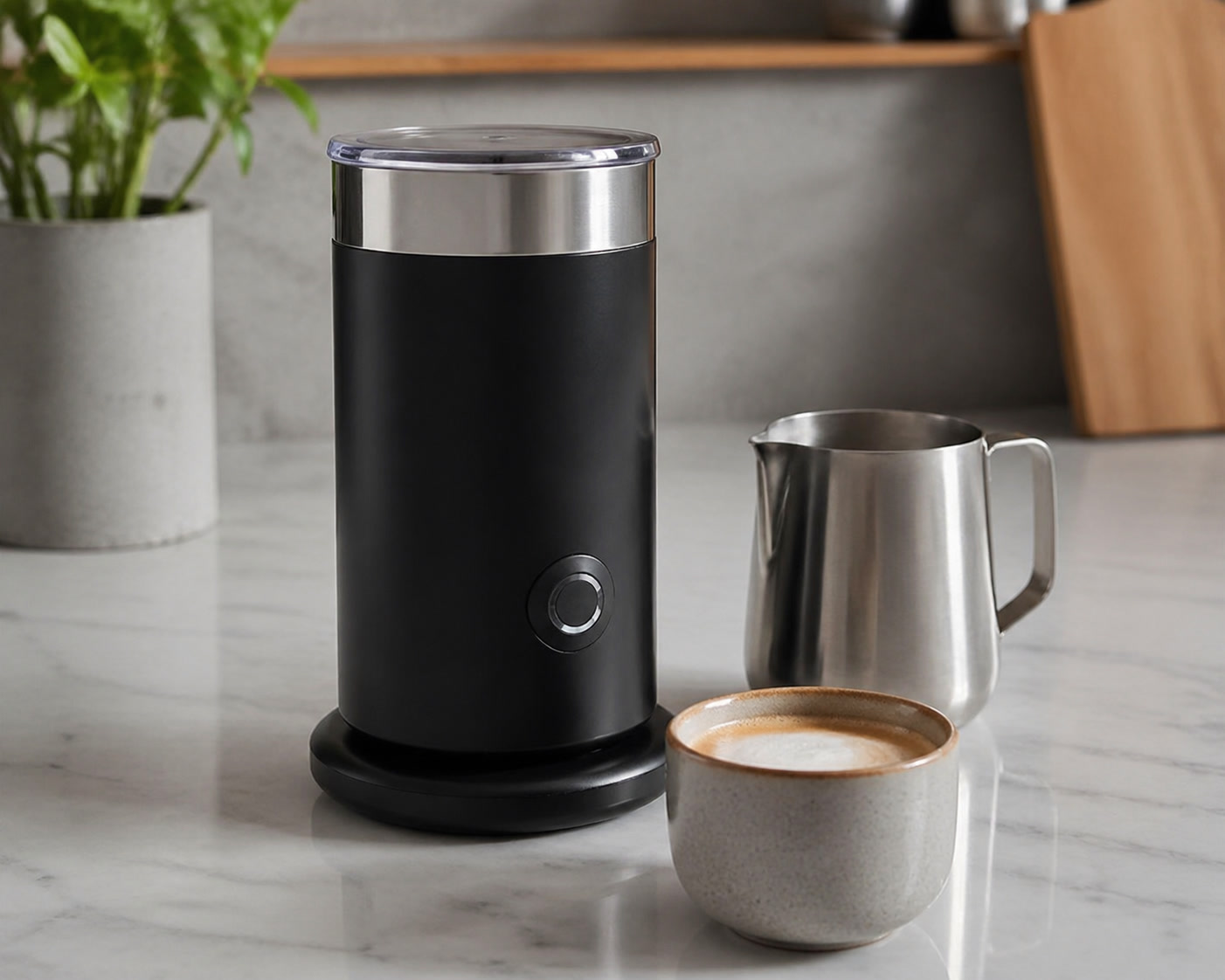
Milk Frothers: The Small Luxury That Can Become Clutter
A focused roundup for readers comparing products by daily usability instead of spec-sheet theatre.
 Buying Guide
Electric Kettles for Hard Water Areas
A practical buying guide focused on fit, maintenance, storage, and the details that decide whether a product keeps earning its place.