Fresh Roasted Coffee Beans for a Daily Kitchen Coffee Corner
How to choose roasted coffee for everyday filter, French press, moka pot, and espresso-style brewing without filling the cupboard with stale half-bags.
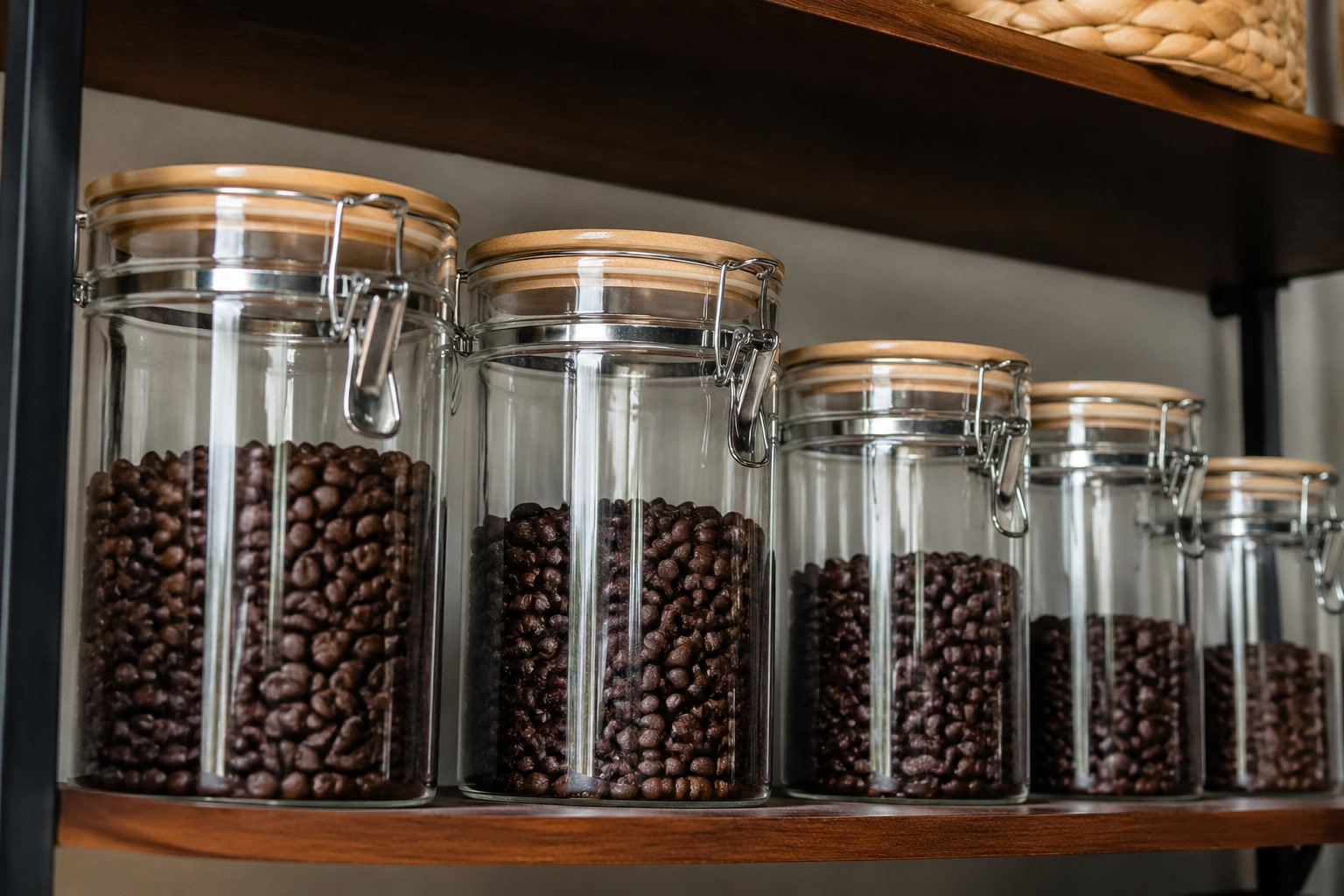
A good kitchen coffee corner does not start with the most expensive machine. It starts with coffee you will finish while it still tastes lively, a grinder or grind option that suits the brewer, and a storage routine that keeps bags away from heat, light, and steam. The bean choice matters, but the buying habit matters just as much.
Fresh roasted coffee is attractive because freshness can make an ordinary morning cup taste clearer and less tired. The trap is buying too much, choosing a roast that fights the brewer, or opening several bags at once because the labels looked interesting.
Match the coffee to the brewer
Filter coffee usually rewards medium roasts with enough clarity to stay bright after a full mug. French press can handle a slightly fuller body because the metal filter leaves more oils in the cup. Moka pot brewing often benefits from a coffee that can take heat without turning harsh. Espresso-style brewing depends heavily on the machine, grinder, and recipe, so the safest first bag is usually a blend or roast profile described as balanced rather than extreme.
If you buy pre-ground coffee, choose the grind for the actual method. A French press grind in a paper filter will taste weak and messy. Fine espresso grind in a cafetiere will taste muddy. Whole beans give more control, but only if the grinder is easy enough that you will use it on a weekday.
Bag size is a kitchen decision
The right bag size depends on how many cups the household drinks. A large bag can be good value for a busy kitchen, but it is false economy if the last third tastes stale. A smaller bag costs more per cup but lets you rotate coffee before it sits too long.
For one or two daily drinkers, start smaller until the routine is clear. Once you know the weekly pace, buying bigger makes more sense. Do not open three bags for variety unless you have airtight storage and enough drinkers to finish them quickly.
Coffee beans for everyday brewing
This link points to Fresh Roasted Coffee. TheKitchenGeeks may earn a commission if a reader clicks through and later buys through the advertiser. Check roast style, grind option, bag size, shipping cost, freshness notes, and whether the coffee suits your brewing method before ordering.
Advertiser: Fresh Roasted Coffee. Fresh Roasted Coffee is a coffee and tea retailer selling roasted coffee, single-origin beans, blends, pods, tea, and brewing supplies.
Browse Fresh Roasted CoffeeWhere Fresh Roasted Coffee fits
Fresh Roasted Coffee is a natural fit for TheKitchenGeeks readers because beans and tea sit directly inside the coffee-and-tea niche. The useful shopping lens is still practical: roast level, origin or blend, grind option, bag size, shipping cost, and whether the coffee fits the brewer already on the counter.
Treat tasting notes as guidance, not a promise. A coffee described as chocolatey, nutty, floral, or citrusy can shift depending on grind, water, dose, and brewer. The better first order is a sensible bag you can dial in, not a collection of dramatic flavours that fight your everyday method.
Storage is part of the purchase
Coffee does not like heat, light, air, or steam. Keep the bag away from the kettle, hob, dishwasher vent, and sunny windowsill. If the bag reseals well, use it. If not, move the coffee into an airtight container and label the open date.
Freezing can work for unopened coffee in some households, but it adds fuss and condensation risk. For most daily kitchens, the better habit is simple: buy a sensible amount, keep it sealed, finish one bag before opening the next, and clean the grinder enough that old oils do not make new coffee taste flat.
When to buy ground coffee
Whole beans are usually the better choice for freshness, but ground coffee is reasonable when the household will not grind. A slightly less fresh coffee used every morning beats a bag of whole beans that sits untouched because the grinder is loud, messy, or hidden in a cupboard.
If buying ground, choose the grind size carefully and use the bag steadily. The coffee corner should support the weekday routine, not punish it.
Coffee buying checklist
- Choose roast style by brewer first, tasting notes second.
- Buy a bag size the household can finish while it still tastes fresh.
- Check grind option if you do not grind at home.
- Keep coffee away from heat, light, steam, and open air.
- Open one bag at a time unless the household drinks enough to justify variety.
Bottom line
Fresh coffee is worth buying when the rest of the routine supports it. Pick beans for the brewer you already use, buy a sensible amount, store them properly, and let the morning cup improve without adding another awkward job to the counter.
 Buying Guide
Coffee Storage Containers That Do More Than Look Nice
A purchase guide built around ordinary home kitchens: what to check, what to ignore, and when a simpler option is enough.
 Guide
GuideHow to Build a Coffee Corner on a Small Counter
A kitchen guide built around real use, storage, and repeat friction.
 Starter Guide
A Filter Coffee Starter Kit That Does Not Take Over the Kitchen
A first-buy guide for readers who want fewer pieces, fewer regrets, and a clear path into the category.