
Cleaning & Maintenance buying guides
For readers dealing with grease, scale, coatings, dish drying and tools that need to stay hygienic themselves. The Kitchen Geeks follows cleaning & maintenance setup, storage, cleaning, compatibility, care and the retailer route instead of judging a product by the box alone.
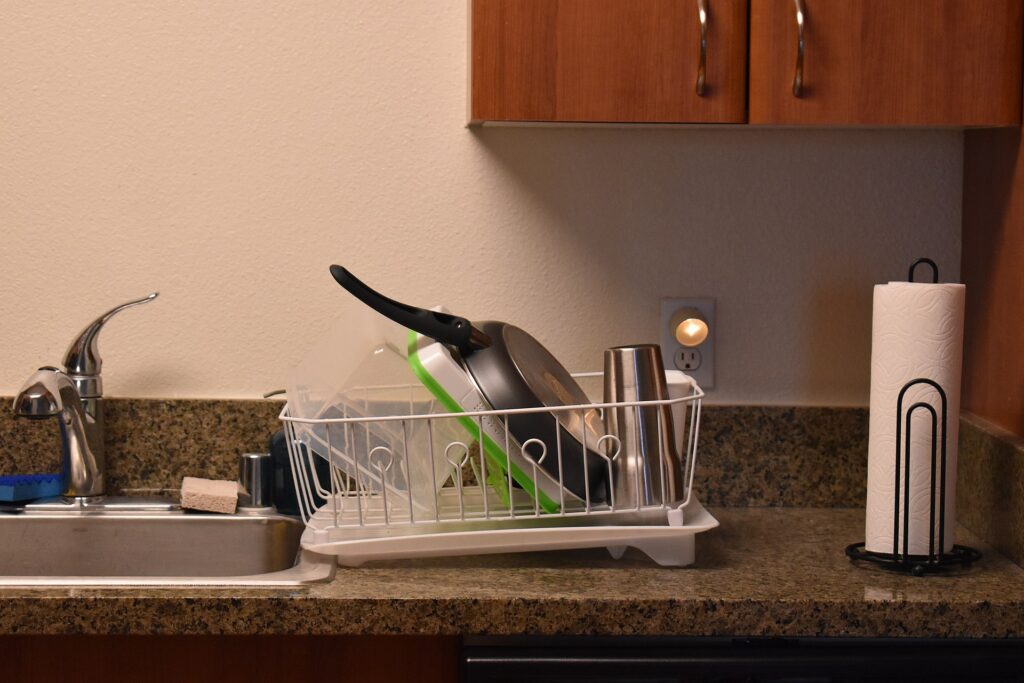
A route through this shelf
Name the residue and the surface separately. Check abrasiveness, chemical limits, rinsing, drying and where the tool will live after use. Name the residue and surface separately. A grease tool can damage a coating, while a descaler may be wrong for a stone or metal finish.
This cleaning & maintenance route is for UK homes, where space, 230 volt appliances, hard water and return terms can change the answer. Outside the UK, use the surface compatibility logic but confirm local plugs, voltage, dimensions and warranty support.
Diagnose before reaching for a cleaner
Grease, limescale, burnt residue and standing water need different tools. Pair the residue with the maker’s surface limits, then plan rinsing, drying and replacement of the cleaning tool itself.
- Surface compatibilityName the residue and the surface separately
- Grease or scale targetCompare this with rinsing effort before keeping the option.
- Rinsing effortCompare this with drying time before keeping the option.
- Drying timeCompare this with replacement signs before keeping the option.
- Replacement signsCompare this with surface compatibility before keeping the option.
The surface-safe evidence check
For cleaning & maintenance, useful evidence begins with specifications, maker instructions, retailer information, parts support, warranty wording and recurring ownership concerns. The Kitchen Geeks does not turn cleaning & maintenance evidence into a fictional laboratory score.
A cleaning & maintenance comparison follows the item through setup, the main job, cleaning, drying and storage. It also identifies how replacement signs affects the first wearing part and the information a buyer should keep if a fault needs resolving.
Match the residue to the surface
Surface compatibility
For cleaning & maintenance, test surface compatibility beside grease or scale target in its normal location; record whether the pair fits the available space, cleaning and storage routine.
Grease or scale target
For cleaning & maintenance, test grease or scale target beside rinsing effort in its normal location; record whether the pair fits the available space, cleaning and storage routine.
Rinsing effort
For cleaning & maintenance, test rinsing effort beside drying time in its normal location; record whether the pair fits the available space, cleaning and storage routine.
Drying time
For cleaning & maintenance, test drying time beside replacement signs in its normal location; record whether the pair fits the available space, cleaning and storage routine.
Replacement signs
For cleaning & maintenance, test replacement signs beside surface compatibility in its normal location; record whether the pair fits the available space, cleaning and storage routine.
Cleaning and maintenance guides
The cleaning & maintenance shelf mixes shortlists, comparisons, maintenance notes and buying frameworks. Open the cleaning & maintenance article that matches the decision in front of you, then keep surface compatibility, the product manual and exact dimensions beside the shortlist.
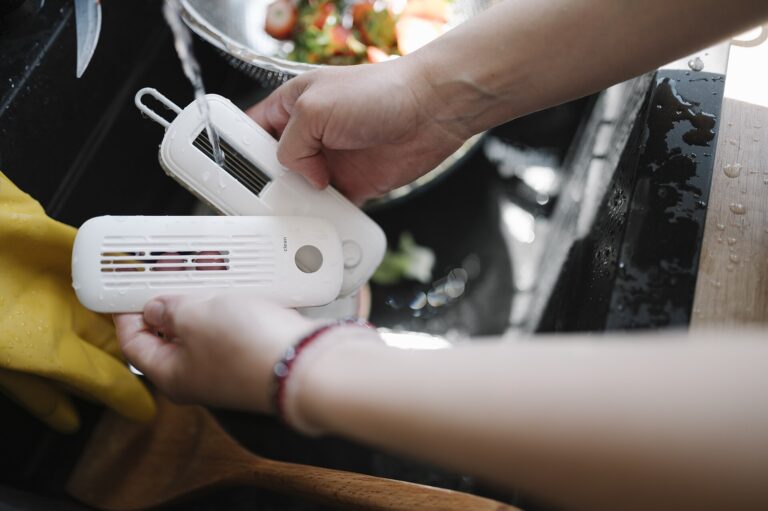
Best kitchen cleaning tools for grease and limescale
Use this cleaning & maintenance route for a small kit that separates food-contact cleaning, greasy surfaces and mineral.
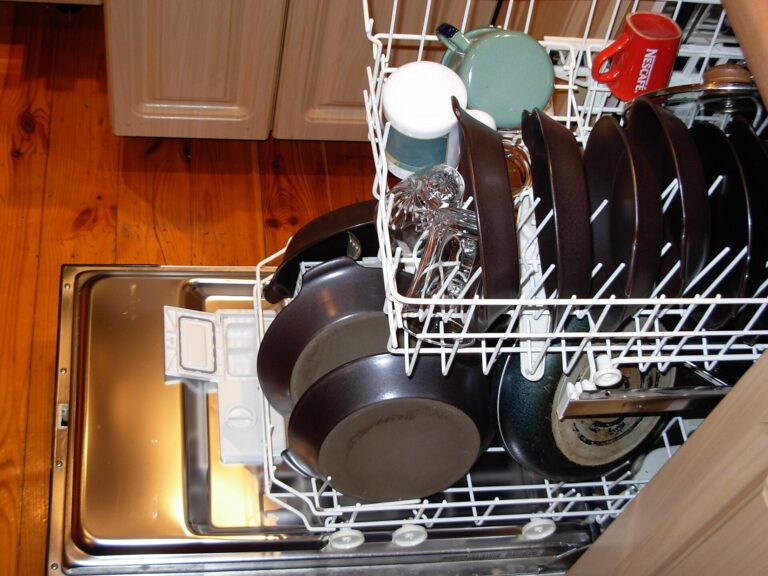
Dishwasher-safe claims: what still needs hand washing?
Use this cleaning & maintenance route for reading dishwasher claims as limits on heat, detergent, placement and long-term.
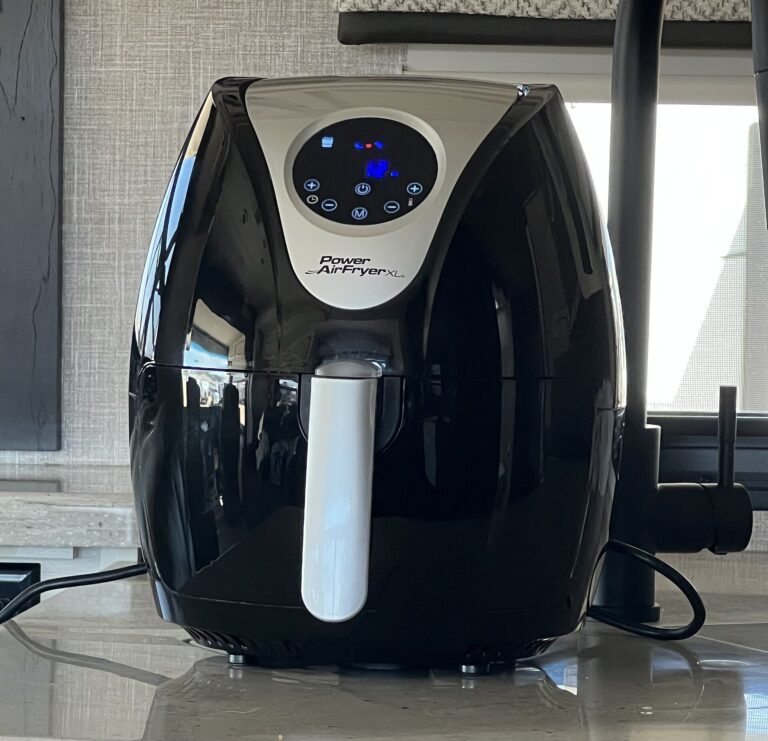
How to clean air fryer baskets without damaging coatings
Use this cleaning & maintenance route for removing grease and baked residue while protecting nonstick surfaces.
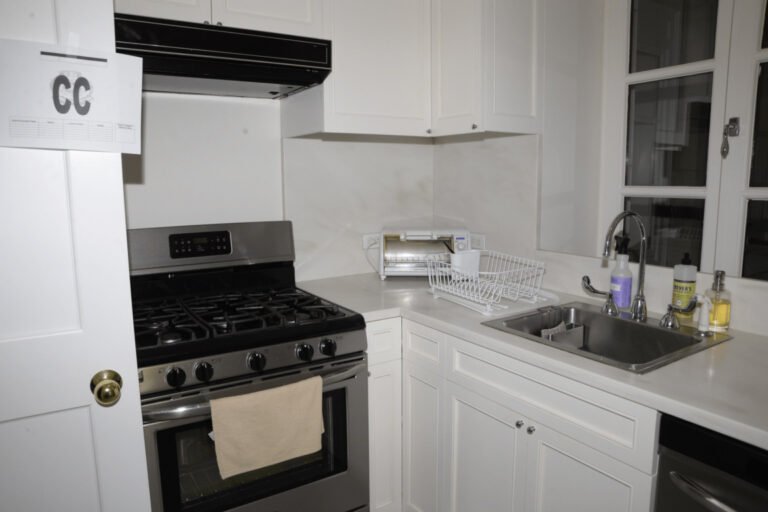
Sink caddy and dish drying rack buying guide
Use this cleaning & maintenance route for a draining setup that fits the sink zone, separates damp tools and can be cleaned.
Continue the cleaning & maintenance decision
Use the cleaning & maintenance guide links to compare adjacent categories around surface compatibility, then read the editorial policy and affiliate disclosure to see how evidence, corrections and retailer links are handled.
A common cleaning & maintenance question
Why do dishwasher-safe claims still need care?
Dishwasher-safe often describes basic tolerance, not long-term appearance or coating life. Maker wording and the value of the item still matter. Check the cleaning & maintenance instructions before relying on a general rule, especially where drying time affects heat, electrical safety, coatings or food-contact surfaces.
What should be recorded before ordering?
Keep the cleaning & maintenance measurements, model number, care routine and return window together. If retailer wording conflicts with the maker guidance for surface compatibility, leave that option unresolved until the difference is explained.