
Kitchen Storage buying guides
For small-kitchen households trying to reduce mismatched lids, dead shelf space and food that disappears at the back. The Kitchen Geeks follows kitchen storage setup, storage, cleaning, compatibility, care and the retailer route instead of judging a product by the box alone.

Map the shelf before choosing the set
Use external dimensions, lid shape and empty nesting height. A container system earns its place when filled boxes stack securely and empty boxes collapse into a predictable footprint.
- External dimensionsMap the cupboard or freezer before buying containers
- Stacking with lids fittedCompare this with nesting when empty before keeping the option.
- Nesting when emptyCompare this with label visibility before keeping the option.
- Label visibilityCompare this with freezer and dishwasher limits before keeping the option.
- Freezer and dishwasher limitsCompare this with external dimensions before keeping the option.
A route through this shelf
Map the cupboard or freezer before buying containers. Compare external size, nesting, lid storage, label position and the washing-up reset. Measure the external shape and the empty nesting stack. Quoted capacity does not show the air that a poor lid system wastes.
This kitchen storage route is for UK homes, where space, 230 volt appliances, hard water and return terms can change the answer. Outside the UK, use the external dimensions logic but confirm local plugs, voltage, dimensions and warranty support.
Storage systems and comparisons
The kitchen storage shelf mixes shortlists, comparisons, maintenance notes and buying frameworks. Open the kitchen storage article that matches the decision in front of you, then keep external dimensions, the product manual and exact dimensions beside the shortlist.
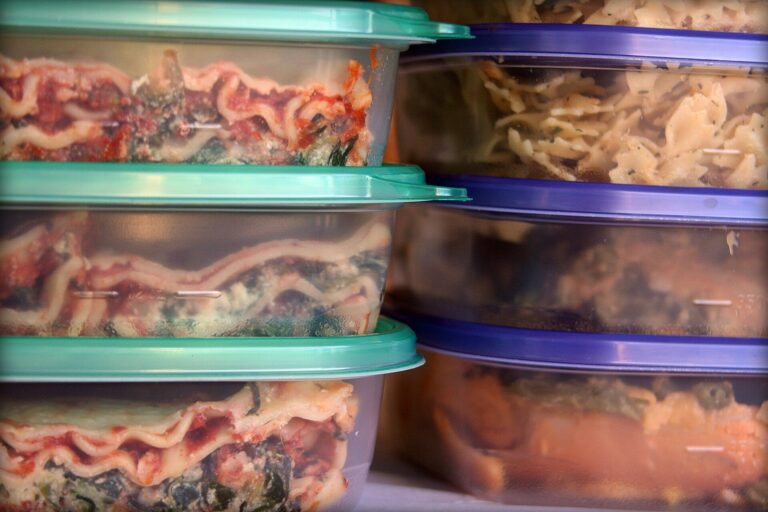
Food storage containers that do not take over the cupboard
Use this kitchen storage route for a container family that nests logically, shares lids and suits the portions actually.
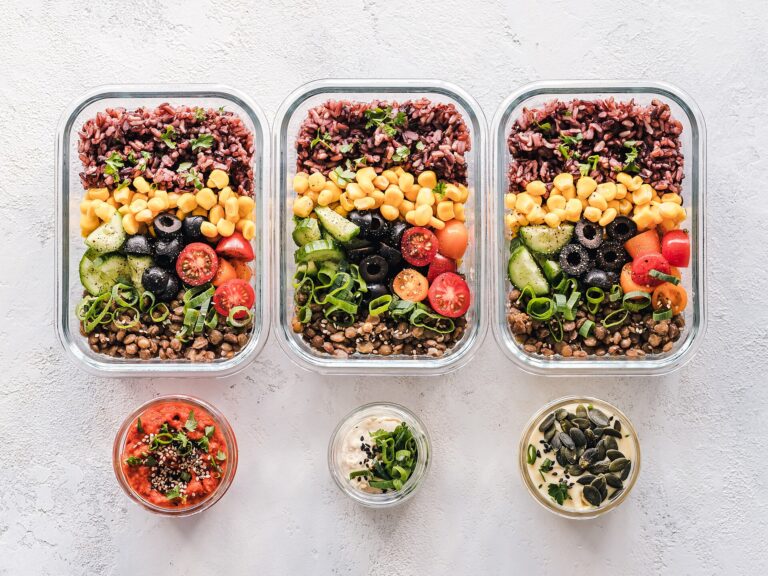
Glass vs plastic food containers for leftovers
Use this kitchen storage route for the tradeoff between weight, stain resistance, breakage, freezer use and easy transport

Freezer bag and label system for batch cooking
Use this kitchen storage route for flat freezing, readable labels and a rotation habit that stops portions disappearing.
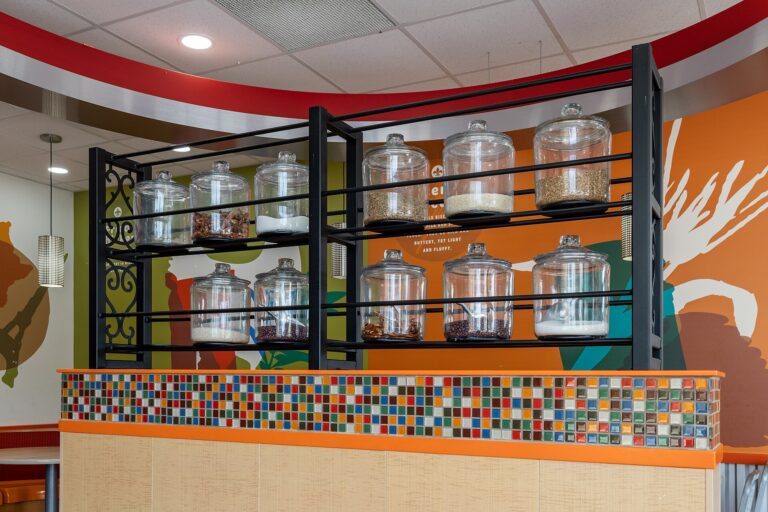
Spice rack ideas that work in small kitchens
Use this kitchen storage route for making labels visible and everyday jars reachable without sacrificing a whole worktop.

Pantry storage mistakes that waste space and food
Use this kitchen storage route for keeping stock visible, separating food from chemicals and avoiding container systems.
A common kitchen storage question
Should every container come from one range?
A single range can simplify lids, but only if the shapes match the foods and shelves you use. Uniformity alone does not remove wasted space. Check the kitchen storage instructions before relying on a general rule, especially where label visibility affects heat, electrical safety, coatings or food-contact surfaces.
What should be recorded before ordering?
Keep the kitchen storage measurements, model number, care routine and return window together. If retailer wording conflicts with the maker guidance for external dimensions, leave that option unresolved until the difference is explained.
Decision checklist
External dimensions
For kitchen storage, test external dimensions beside stacking with lids fitted in its normal location; record whether the pair fits the available space, cleaning and storage routine.
Stacking with lids fitted
For kitchen storage, test stacking with lids fitted beside nesting when empty in its normal location; record whether the pair fits the available space, cleaning and storage routine.
Nesting when empty
For kitchen storage, test nesting when empty beside label visibility in its normal location; record whether the pair fits the available space, cleaning and storage routine.
Label visibility
For kitchen storage, test label visibility beside freezer and dishwasher limits in its normal location; record whether the pair fits the available space, cleaning and storage routine.
Freezer and dishwasher limits
For kitchen storage, test freezer and dishwasher limits beside external dimensions in its normal location; record whether the pair fits the available space, cleaning and storage routine.
Continue the kitchen storage decision
Use the kitchen storage guide links to compare adjacent categories around external dimensions, then read the editorial policy and affiliate disclosure to see how evidence, corrections and retailer links are handled.
When a storage system earns the shelf
For kitchen storage, useful evidence begins with specifications, maker instructions, retailer information, parts support, warranty wording and recurring ownership concerns. The Kitchen Geeks does not turn kitchen storage evidence into a fictional laboratory score.
A kitchen storage comparison follows the item through setup, the main job, cleaning, drying and storage. It also identifies how freezer and dishwasher limits affects the first wearing part and the information a buyer should keep if a fault needs resolving.