
Reviews buying guides
For readers who want recommendation logic explained before a retailer link or shortlist is presented. The Kitchen Geeks follows reviews setup, storage, cleaning, compatibility, care and the retailer route instead of judging a product by the box alone.

Keep four evidence columns separate
Confirmed specification, manufacturer limit, recurring owner concern and editorial judgement are not interchangeable. A recommendation should show which column supports each conclusion.
- Claim source
- Confirm in the maker documentation or retailer specification.
- Missing specification
- Confirm in the maker documentation or retailer specification.
- Daily-use tradeoff
- Treat as an editorial comparison point and state any missing evidence.
- Maintenance boundary
- Treat as an editorial comparison point and state any missing evidence.
- Who should not buy
- Treat as an editorial comparison point and state any missing evidence.
How a review claim is built
For reviews, useful evidence begins with specifications, maker instructions, retailer information, parts support, warranty wording and recurring ownership concerns. The Kitchen Geeks does not turn reviews evidence into a fictional laboratory score.
A reviews comparison follows the item through setup, the main job, cleaning, drying and storage. It also identifies how who should not buy affects the first wearing part and the information a buyer should keep if a fault needs resolving.
Shortlists, comparisons and reviews
The reviews shelf mixes shortlists, comparisons, maintenance notes and buying frameworks. Open the reviews article that matches the decision in front of you, then keep claim source, the product manual and exact dimensions beside the shortlist.
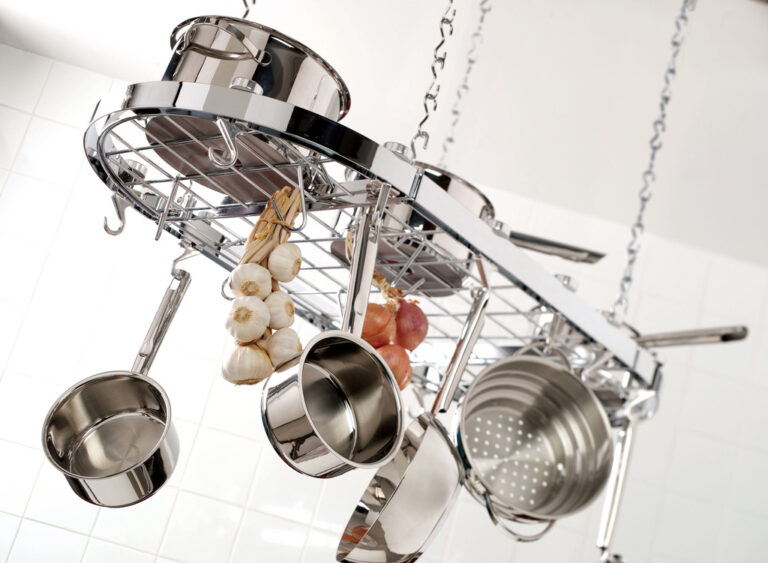
Best stainless steel pan sets for UK home cooks
Use this reviews route for a compact set that covers daily boiling, sauce work and shallow frying without filling every.
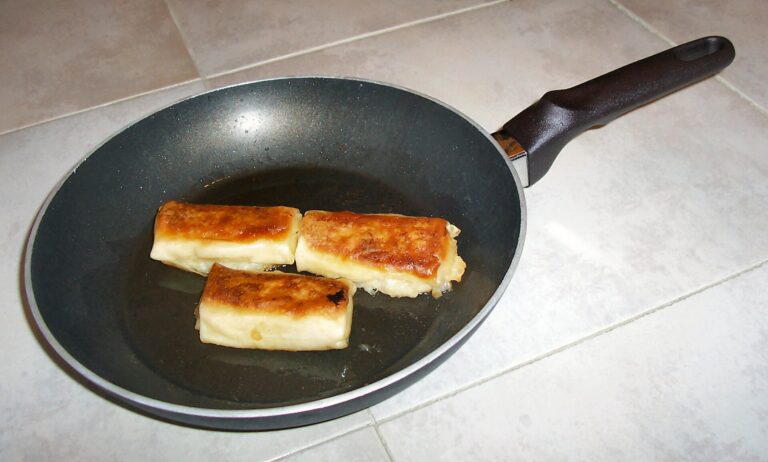
Nonstick pans that last longer than one season
Use this reviews route for a frying pan that releases eggs and fish while tolerating normal weeknight handling
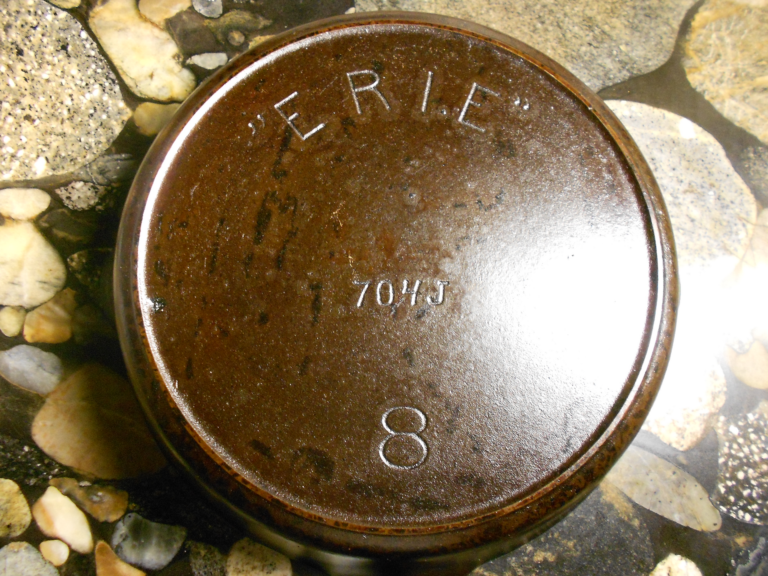
Cast iron skillet buying guide for small kitchens
Use this reviews route for one durable skillet that can sear, roast and bake without becoming a storage burden
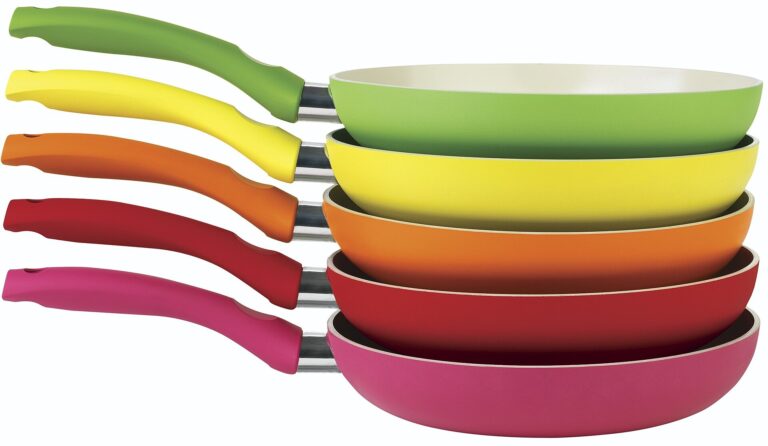
Ceramic vs nonstick pans: which is easier to live with?
Use this reviews route for the real tradeoff between early slipperiness, heat tolerance, cleaning habits and replacement.

Induction pan buying guide for UK hobs
Use this reviews route for pans that couple reliably with an induction hob and sit flat across the working surface
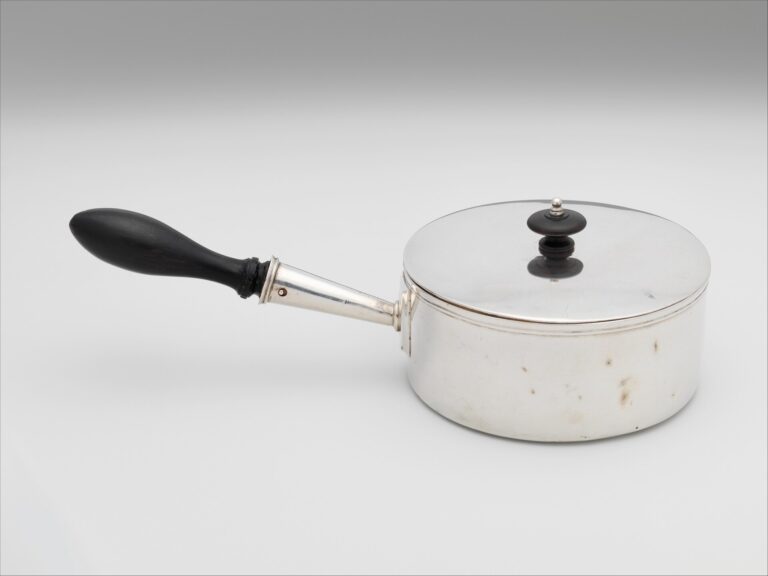
Best saucepan sizes for everyday cooking
Use this reviews route for choosing two or three useful capacities for vegetables, grains, sauces and family portions
A common reviews question
Does The Kitchen Geeks publish paid rankings?
No paid placement is sold as an editorial result. Affiliate commission can support the site, but it does not change the stated criteria. Check the reviews instructions before relying on a general rule, especially where maintenance boundary affects heat, electrical safety, coatings or food-contact surfaces.
What should be recorded before ordering?
Keep the reviews measurements, model number, care routine and return window together. If retailer wording conflicts with the maker guidance for claim source, leave that option unresolved until the difference is explained.
A route through this shelf
Read the evidence note first. A useful review separates confirmed specifications, documented limits, owner feedback patterns and editorial judgement. Separate what the maker documents from what the editor infers. Missing dimensions, limits or care wording remain unresolved, not silently positive.
This reviews route is for UK homes, where space, 230 volt appliances, hard water and return terms can change the answer. Outside the UK, use the claim source logic but confirm local plugs, voltage, dimensions and warranty support.
Decision checklist
Claim source
For reviews, test claim source beside missing specification in its normal location; record whether the pair fits the available space, cleaning and storage routine.
Missing specification
For reviews, test missing specification beside daily-use tradeoff in its normal location; record whether the pair fits the available space, cleaning and storage routine.
Daily-use tradeoff
For reviews, test daily-use tradeoff beside maintenance boundary in its normal location; record whether the pair fits the available space, cleaning and storage routine.
Maintenance boundary
For reviews, test maintenance boundary beside who should not buy in its normal location; record whether the pair fits the available space, cleaning and storage routine.
Who should not buy
For reviews, test who should not buy beside claim source in its normal location; record whether the pair fits the available space, cleaning and storage routine.
Continue the reviews decision
Use the reviews guide links to compare adjacent categories around claim source, then read the editorial policy and affiliate disclosure to see how evidence, corrections and retailer links are handled.