
Small Appliances buying guides
For readers with limited worktop space who want an appliance to earn the cable, cupboard and washing-up it adds. The Kitchen Geeks follows small appliances setup, storage, cleaning, compatibility, care and the retailer route instead of judging a product by the box alone.
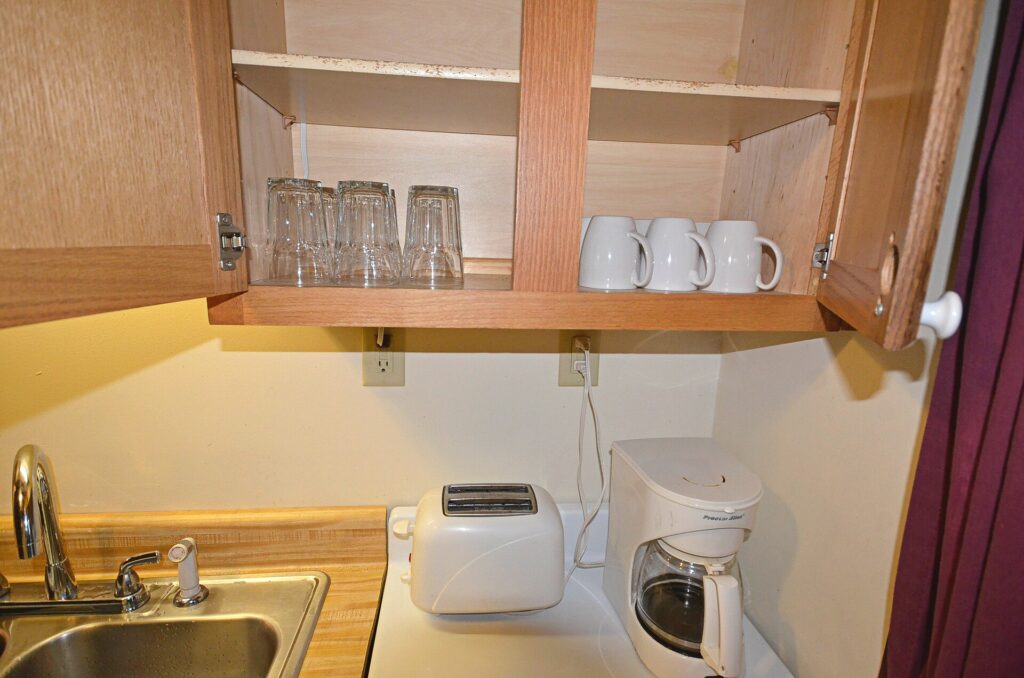
A route through this shelf
Measure the footprint with the door, basket or lid open. Compare noise, vent clearance, removable parts and the route to the sink. Count the appliance at its largest working size, including an open basket, lid, steam route and the parts waiting to dry.
This small appliances route is for UK homes, where space, 230 volt appliances, hard water and return terms can change the answer. Outside the UK, use the working footprint logic but confirm local plugs, voltage, dimensions and warranty support.
Charge every appliance for the space it uses
Record parked footprint, working footprint, ventilation and washed-part drying space in separate columns. The product must justify all four, not only the tidy product photograph.
- Working footprintMeasure the footprint with the door, basket or lid open
- Socket and cable routeCompare this with noise during the main cycle before keeping the option.
- Noise during the main cycleCompare this with parts that must be washed before keeping the option.
- Parts that must be washedCompare this with attachment storage before keeping the option.
- Attachment storageCompare this with working footprint before keeping the option.
Appliance guides by kitchen job
The small appliances shelf mixes shortlists, comparisons, maintenance notes and buying frameworks. Open the small appliances article that matches the decision in front of you, then keep working footprint, the product manual and exact dimensions beside the shortlist.
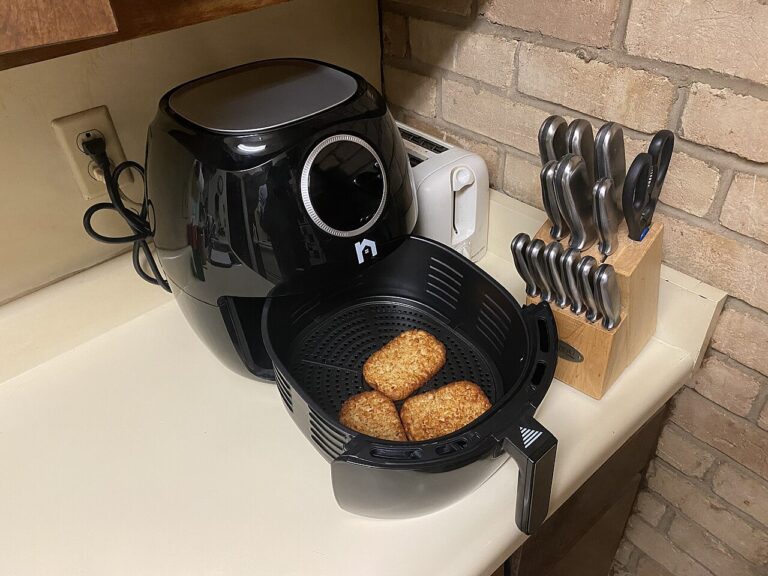
Best air fryers for small UK kitchens
Use this small appliances route for an air fryer that earns permanent counter space through usable capacity.
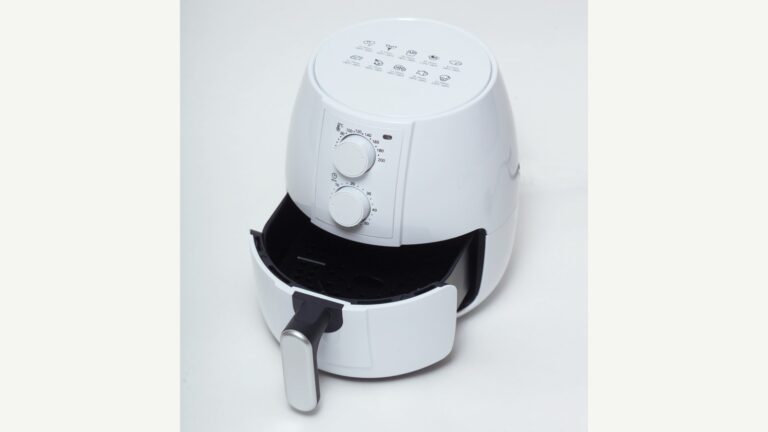
Air fryer capacity guide for one, two and family cooking
Use this small appliances route for turning litre claims into a realistic view of cooking surface, batch size and cupboard.
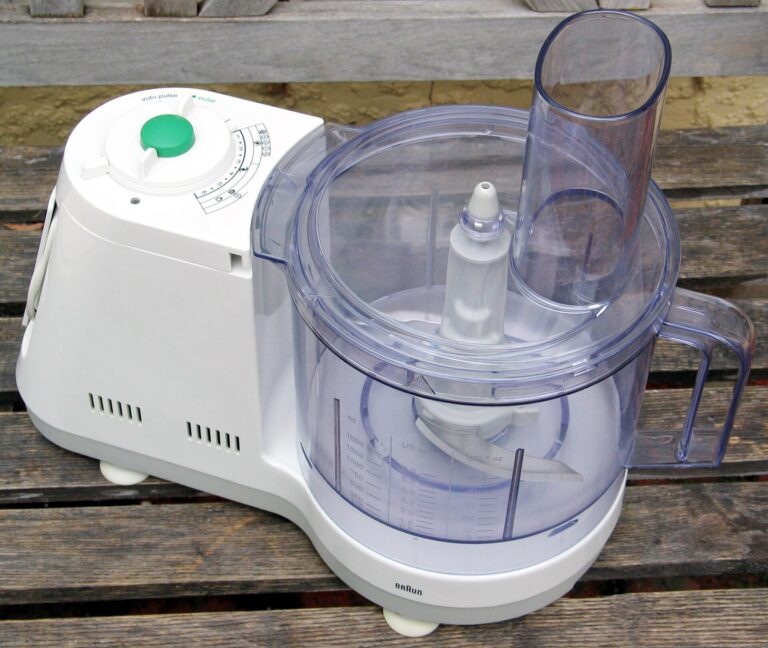
Best food processors for prep without cupboard regret
Use this small appliances route for a processor whose bowl, feed tube and attachments suit the prep you repeat each week
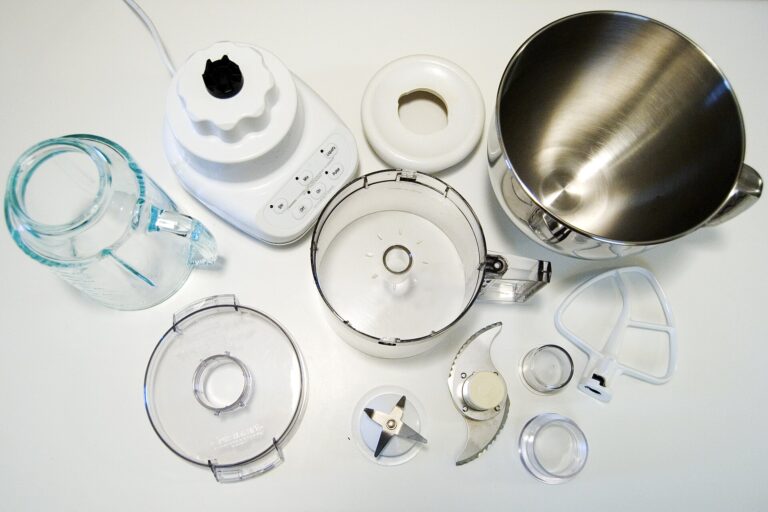
Blender buying guide for soups, smoothies and sauces
Use this small appliances route for choosing between jug material, motor control and batch size without assuming every.
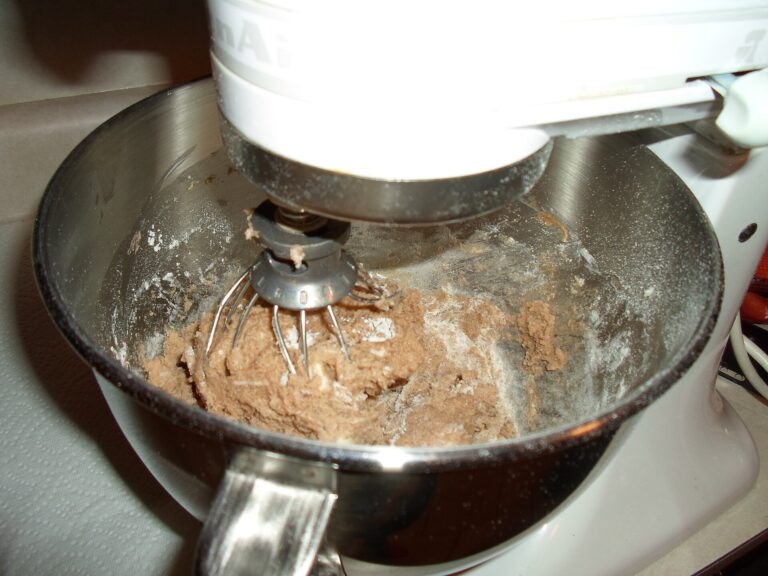
Stand mixer vs hand mixer for home baking
Use this small appliances route for whether hands-free mixing and heavy dough ability justify the footprint and cleaning load
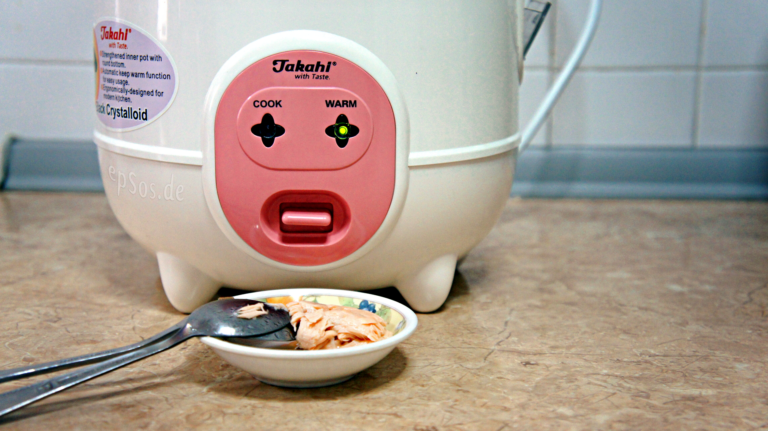
Rice cookers for weeknight use, not gadget collecting
Use this small appliances route for reliable rice and keep-warm performance in a footprint that suits normal UK cupboards
Decision checklist
Working footprint
For small appliances, test working footprint beside socket and cable route in its normal location; record whether the pair fits the available space, cleaning and storage routine.
Socket and cable route
For small appliances, test socket and cable route beside noise during the main cycle in its normal location; record whether the pair fits the available space, cleaning and storage routine.
Noise during the main cycle
For small appliances, test noise during the main cycle beside parts that must be washed in its normal location; record whether the pair fits the available space, cleaning and storage routine.
Parts that must be washed
For small appliances, test parts that must be washed beside attachment storage in its normal location; record whether the pair fits the available space, cleaning and storage routine.
Attachment storage
For small appliances, test attachment storage beside working footprint in its normal location; record whether the pair fits the available space, cleaning and storage routine.
A common small appliances question
When is a smaller appliance the better buy?
Choose the smaller model when it still covers normal portions and is easier to keep accessible. An oversized appliance often becomes cupboard storage. Check the small appliances instructions before relying on a general rule, especially where parts that must be washed affects heat, electrical safety, coatings or food-contact surfaces.
What should be recorded before ordering?
Keep the small appliances measurements, model number, care routine and return window together. If retailer wording conflicts with the maker guidance for working footprint, leave that option unresolved until the difference is explained.
The ownership ledger
For small appliances, useful evidence begins with specifications, maker instructions, retailer information, parts support, warranty wording and recurring ownership concerns. The Kitchen Geeks does not turn small appliances evidence into a fictional laboratory score.
A small appliances comparison follows the item through setup, the main job, cleaning, drying and storage. It also identifies how attachment storage affects the first wearing part and the information a buyer should keep if a fault needs resolving.
Continue the small appliances decision
Use the small appliances guide links to compare adjacent categories around working footprint, then read the editorial policy and affiliate disclosure to see how evidence, corrections and retailer links are handled.