
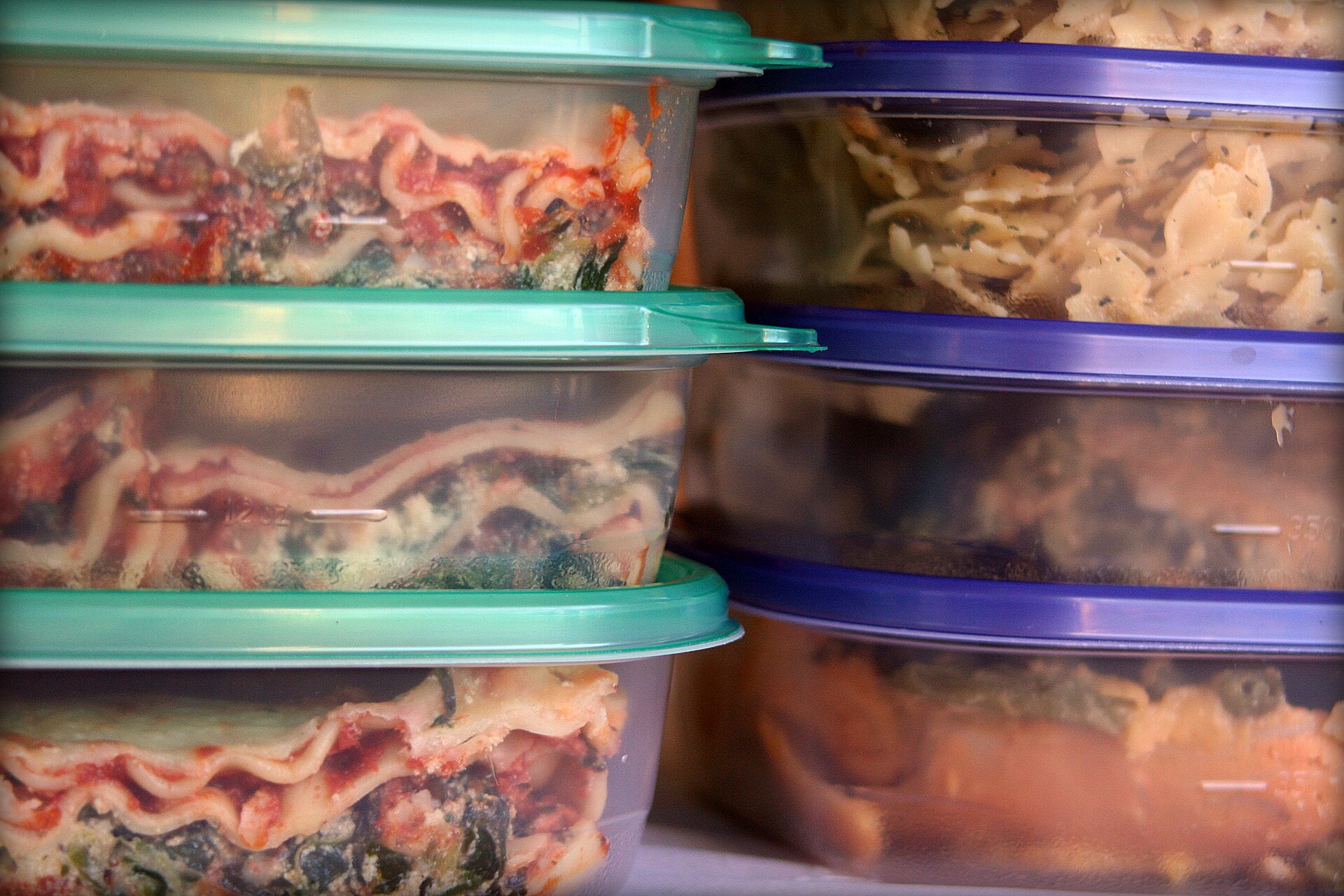
Food storage containers that do not take over the cupboard
Use this guide when the goal is a container family that nests logically, shares lids and suits the portions actually stored; it combines specification review, relevant official context and recurring ownership problems without pretending every household accepts the same compromise.
Shortlist routes for different homes: Lid interchangeability
Lid interchangeability
Use this as the first filter when the goal is a container family that nests logically, shares lids and suits the portions actually stored.
Nesting height
Keep this as the countercheck after the basic fit for food storage containers that do not take over the cupboard has been confirmed.
Freezer guidance
Apply this to the ordinary weekly routine for food storage containers that do not take over the cupboard before comparing finishes or bundles.
Microwave venting
Use this as the final food storage containers that do not take over the cupboard tie-breaker after cleaning and storage are understood.
A food storage containers that do not take over the cupboard shortlist becomes useful when each route has a reason to exist. Start with the route that matches the normal week and remove any option that fails lid interchangeability or nesting height. Keep the food storage containers that do not take over the cupboard result attached to the shortlist so the decision stays auditable.
What separates a sound choice: Nesting height
Start with lid interchangeability, then keep one adjacent criterion as a countercheck. Record the lid interchangeability result beside nesting height so the remaining choices stay comparable and a bright finish or long accessory list cannot change the criterion. If lid interchangeability changes between setup and washing-up, treat the later stage as part of the purchase decision.
Recreate the normal job for a container family that nests logically, shares lids and suits the portions actually stored in the cupboard, fridge, freezer and the route from worktop to washing-up. Use the actual cupboard, socket, sink or hob route for food storage containers that do not take over the cupboard, note where hands or wet parts need to land, and remove any option that only works when the surrounding area is unusually empty.
Review nesting height while carrying, washing and storing the item in its normal place. Trace nesting height through the food storage containers that do not take over the cupboard setup, main task, washing, drying and storage to expose the stage that repeatedly makes the routine awkward. Keep the nesting height evidence practical: dimensions, instructions and a weekly routine are stronger than styling.
Treat mixed novelty shapes and large sets with many rarely used sizes as a rejection condition for food storage containers that do not take over the cupboard before comparing price, colour or accessory count. When the goal is a container family that nests logically, shares lids and suits the portions actually stored, a product that recreates that problem has failed the household brief even if the specification looks generous.
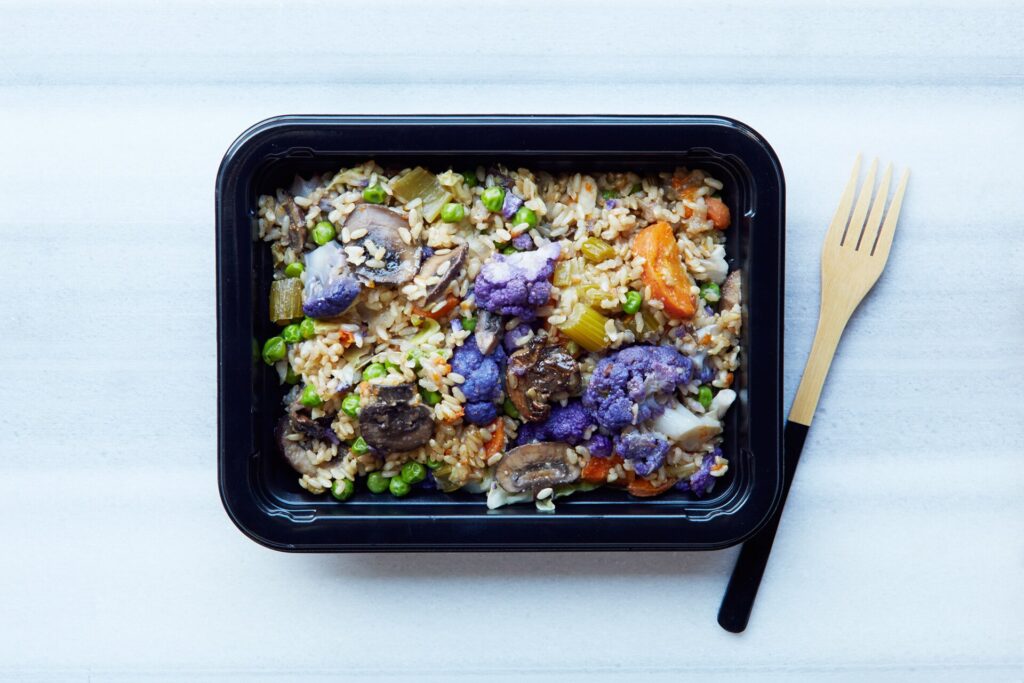
Living with it after week one: Freezer guidance
Judge freezer guidance against microwave venting, not as a product-page slogan. If a retailer is vague about freezer guidance, find the maker instructions or request the missing dimension rather than guessing once the item has touched food or water. Apply the same freezer guidance criterion to every remaining food storage containers that do not take over the cupboard option so a retailer feature list cannot quietly move the goalposts.
Build the care plan from this instruction: Cool food appropriately before sealing, follow microwave guidance and retire cracked or badly distorted containers; then estimate where each washed part will dry and which component is most likely to wear first. If the routine for a container family that nests logically, shares lids and suits the portions actually stored is unrealistic after an ordinary meal, record that ownership cost before the item claims permanent worktop or cupboard space.
For food storage containers that do not take over the cupboard, ownership includes stacking, lid matching, label visibility, wasted air space and the time needed to reset the system after use; a lower price is poor value when the item is hard to reach, slow to clean or likely to be replaced for want of a small part.
Warning signs before checkout: Microwave venting
The clearest warning for food storage containers that do not take over the cupboard is mixed novelty shapes and large sets with many rarely used sizes; that pattern creates cupboard regret when the box promise outweighs the routine at home.
Put microwave venting ahead of price and finish, because it affects the routine after checkout. Test microwave venting and replacement lids in the cupboard, fridge, freezer and the route from worktop to washing-up, because a few millimetres, one awkward attachment or a blocked handle can decide whether the product is used or avoided. End the microwave venting review with one sentence describing the compromise you are prepared to accept.
Apply this UK-specific point to food storage containers that do not take over the cupboard: Measure the cupboard shelf height and the fridge drawer before choosing tall modular containers; then confirm the model number, plug or hob requirement, retailer return route and any replacement part named in the manual. General guidance can frame a container family that nests logically, shares lids and suits the portions actually stored, but the maker's product-specific limit remains the final boundary.

Keeping it useful: Replacement lids
Treat replacement lids as a removal criterion rather than another point on a decorative score. Read the full maker wording for replacement lids in the food storage containers that do not take over the cupboard shortlist, then compare it with stacking, lid matching, label visibility, wasted air space and the time needed to reset the system after use, since marketing photography often hides the least convenient task in that ownership route. Mark replacement lids as yes, no or an acceptable compromise. An unresolved point should pause the shortlist.
Close the food storage containers that do not take over the cupboard evidence gap by saving the product page, manual, useful dimensions and return terms, then ask the retailer or maker to resolve any missing claim around replacement lids. For a container family that nests logically, shares lids and suits the portions actually stored, a clear written answer is more useful than an extra feature badge.
Cool food appropriately before sealing, follow microwave guidance and retire cracked or badly distorted containers. Put this care routine beside the food storage containers that do not take over the cupboard purchase decision, because a method you will not follow will shorten useful life.
Returns, fit and UK details: Kitchen Storage
Measure the cupboard shelf height and the fridge drawer before choosing tall modular containers. Keep the food storage containers that do not take over the cupboard order confirmation, model number and retailer return information through several normal uses.
For safety or consumer-rights context on food storage containers that do not take over the cupboard, use the official links below; product-specific limits still come from the maker manual, so general guidance must not override an explicit instruction.
Record the compromise around Nesting height
For food storage containers that do not take over the cupboard, record the main job, the limit around nesting height and the compromise you will accept. Compare it with freezer guidance so one gain does not create a worse daily problem.
Save the exact food storage containers that do not take over the cupboard model number, relevant manual page and retailer return window. After a month in the cupboard, fridge, freezer and the route from worktop to washing-up, note whether food storage containers that do not take over the cupboard still fits the routine; this exposes an impressive-looking product that should be rejected before the packaging is discarded.
Common questions
What should be checked first for food storage containers that do not take over the cupboard?
Start with lid interchangeability, then confirm nesting height. Together, those two food storage containers that do not take over the cupboard checks remove unsuitable options before price complicates the decision.
What is the clearest reason not to buy?
Skip food storage containers that do not take over the cupboard when the product recreates the problem it is meant to solve. In this case, avoid mixed novelty shapes and large sets with many rarely used sizes.
How should it be looked after?
Follow the maker care instructions, then build the routine around replacement lids and lid interchangeability. Stop using the item if wear around replacement lids changes nesting height, safe operation or food-contact surfaces.