

Countertop appliance storage mistakes to avoid
A useful choice here should deliver reducing unsafe cable runs, blocked vents and cupboards that make useful appliances too awkward to reach. The comparison starts with ventilation route, then follows the product through the worktop, socket route, cupboard and washing-up area to expose the less visible ownership work.
The failure pattern: Reducing unsafe cable runs, blocked vents and cupboards
The goal is not to collect more kitchen gear. It is to find reducing unsafe cable runs, blocked vents and cupboards that make useful appliances too awkward to reach. Start by watching the full route through the worktop, socket route, cupboard and washing-up area. If the product cannot be used, cleaned and returned to storage without moving half the kitchen, its headline specification is less important than the friction it creates.
A high wattage claim does not prove useful performance. Controls, bowl shape, safe assembly and cleaning access often matter more. Keep that boundary in view while comparing ventilation route and socket proximity.
Reset the routine safely: Ventilation route
Ventilation route
Prioritise ventilation route when the goal is reducing unsafe cable runs, blocked vents and cupboards that make useful appliances too awkward to reach.
Socket proximity
Use socket proximity as a tie-breaker after fit and cleaning are confirmed.
Lifting height
Prioritise lifting height when the goal is reducing unsafe cable runs, blocked vents and cupboards that make useful appliances too awkward to reach.
Door and drawer swing
Use door and drawer swing as a tie-breaker after fit and cleaning are confirmed.
Use the routes to establish a shortlist, then return to the exact dimensions and manual before ordering. The purpose is to make the compromise visible, not to make every option look equally suitable.
Methods that cause more damage: Socket proximity
Treat ventilation route as a home measurement, not a product-page slogan. Check it in the worktop, socket route, cupboard and washing-up area. A few millimetres, one awkward attachment or a handle that blocks another item can decide whether the product is used or avoided. For this topic, the result should support reducing unsafe cable runs, blocked vents and cupboards that make useful appliances too awkward to reach without creating a harder storage or cleaning problem.
The useful question around ventilation route is what changes during an ordinary week. Make a short note of the result so two similar products can be compared on the same basis. This prevents a bright finish or a long accessory list from taking over the decision. Write down a clear yes, no or acceptable compromise. An unresolved detail is a reason to pause the shortlist.
A comparison becomes clearer when socket proximity is checked before price or finish. Read the full specification and manual wording, then compare it with noise, cable reach, vent clearance, removable parts and the effort required after an ordinary midweek meal. Marketing photography usually hides the least convenient part of ownership. Use the result to remove unsuitable options rather than awarding a decorative score that hides the tradeoff.
Look at socket proximity alongside the way the item is carried, washed and stored. Think through setup, the main task, washing, drying and putting it away. A product can perform well and still be a poor fit if one of those stages is repeatedly awkward. If the answer changes between setup and washing-up, treat the later stage as part of the purchase decision.
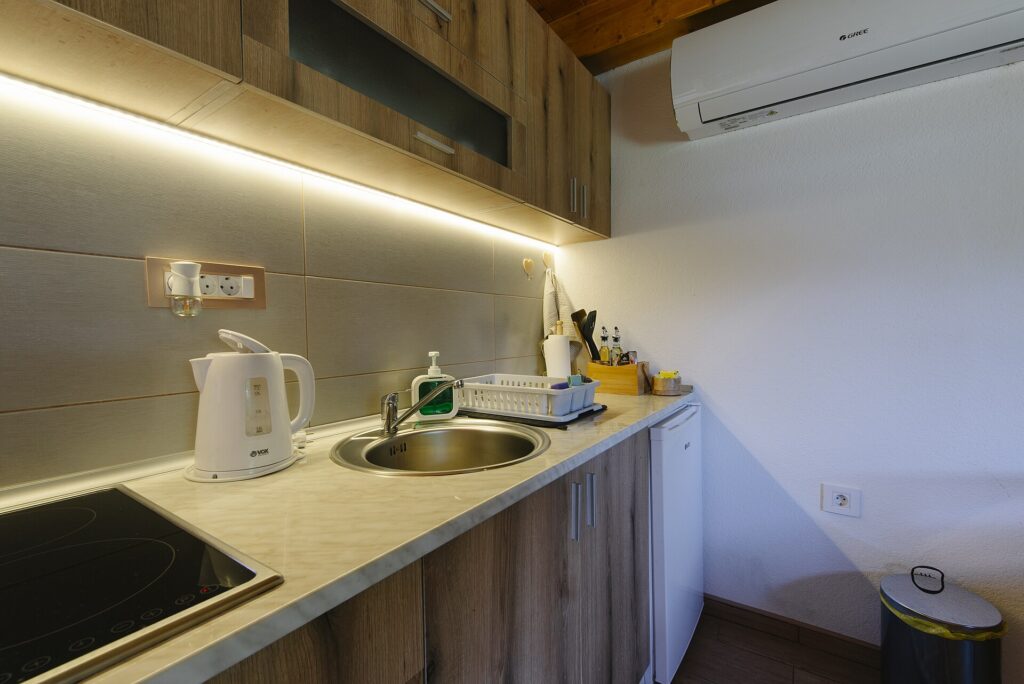
When cleaning is no longer enough: Lifting height
For reducing unsafe cable runs, blocked vents and cupboards that make useful appliances too awkward to reach, lifting height should reduce work rather than add another ritual. Make a short note of the result so two similar products can be compared on the same basis. This prevents a bright finish or a long accessory list from taking over the decision. The strongest option is the one whose disadvantage is understood and manageable in the kitchen you have.
Treat lifting height as a home measurement, not a product-page slogan. If the retailer description is vague, pause and find the maker instructions or ask for the missing dimension. Guessing is particularly expensive when the item has already touched food or water. Keep the check practical: dimensions, instructions and the ordinary weekly routine are stronger evidence than styling.
The ownership cost also includes noise, cable reach, vent clearance, removable parts and the effort required after an ordinary midweek meal. A lower purchase price can be poor value when the item is difficult to reach, slow to clean or likely to be replaced because a small wearing part is unavailable.
A smaller maintenance kit: Door and drawer swing
The clearest warning for this topic is stacking objects on vented appliances or running high-power equipment through overloaded adaptors. That pattern often creates cupboard regret because the decision is driven by the size of the bundle or the promise on the box rather than the routine at home.
The useful question around door and drawer swing is what changes during an ordinary week. Think through setup, the main task, washing, drying and putting it away. A product can perform well and still be a poor fit if one of those stages is repeatedly awkward. A missing specification is not a minor inconvenience when it affects fit, care or safe use. Confirm it before ordering.
A comparison becomes clearer when door and drawer swing is checked before price or finish. Check it in the worktop, socket route, cupboard and washing-up area. A few millimetres, one awkward attachment or a handle that blocks another item can decide whether the product is used or avoided. Compare the same point across every remaining option so a retailer feature list cannot quietly change the criteria.
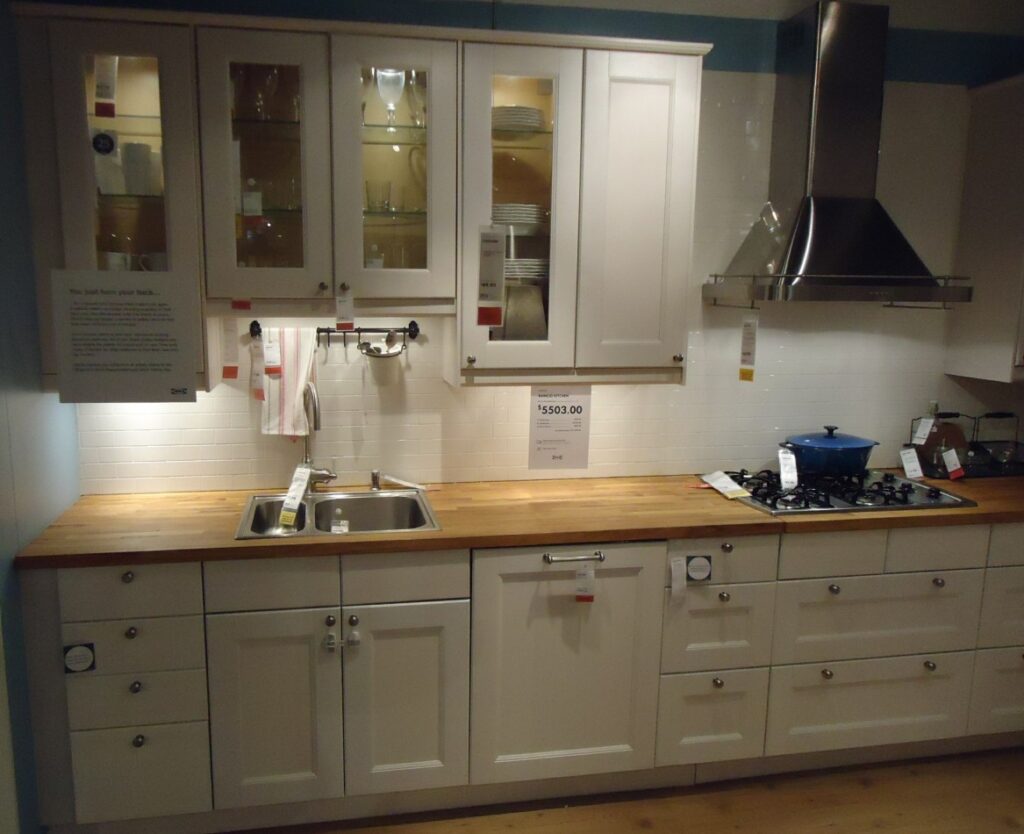
Storage after the job: Attachment storage
Look at attachment storage alongside the way the item is carried, washed and stored. If the retailer description is vague, pause and find the maker instructions or ask for the missing dimension. Guessing is particularly expensive when the item has already touched food or water. This check matters only in relation to the job. Reject an impressive feature when it adds work without improving that job.
For reducing unsafe cable runs, blocked vents and cupboards that make useful appliances too awkward to reach, attachment storage should reduce work rather than add another ritual. Read the full specification and manual wording, then compare it with noise, cable reach, vent clearance, removable parts and the effort required after an ordinary midweek meal. Marketing photography usually hides the least convenient part of ownership. End with an ownership decision you can explain in one sentence, including the compromise you are willing to accept.
Store appliances dry, loosely coil cables and keep manuals or model numbers where spare parts can be identified later. Put the care routine beside the purchase decision, because a product that needs methods you will not follow is unlikely to deliver long-term value.
Useful UK guidance: Small Appliances
Keep sockets accessible and check leads for damage rather than trapping them behind heavy equipment. Keep the order confirmation, model number and retailer return information until the item has completed several normal uses.
For safety or consumer-rights context, use the official links below. Product-specific limits still come from the maker manual, so general guidance should not be used to override an explicit instruction.
Common questions
What should be checked first for countertop appliance storage mistakes to avoid?
Start with ventilation route, then confirm socket proximity. Those two checks remove many unsuitable options before price complicates the decision.
What is the clearest reason not to buy?
Do not buy when the product creates the exact problem it is meant to solve. In this case, avoid stacking objects on vented appliances or running high-power equipment through overloaded adaptors.
How should it be looked after?
Store appliances dry, loosely coil cables and keep manuals or model numbers where spare parts can be identified later.