
Handheld vs automatic milk frother: which makes better microfoam?
A handheld frother gives direct control and takes almost no counter space, while an automatic machine heats and textures milk with less attention. The better choice depends on whether the goal is pourable microfoam, thick foam, speed or repeatability.
The quick answer: control or convenience
Choose a handheld frother when you already have a way to heat milk, want to control aeration by hand and need a tool that disappears into a drawer or wall mount. It rewards technique, but the result changes with milk depth, angle, timing and the movement of the whisk.
Choose an automatic frother when repeatable temperature and one-touch operation matter more than manual control. It occupies more counter space and creates another vessel to clean, but it can prepare milk while the coffee is being brewed.
Handheld
Compact, flexible and relatively inexpensive. Best for users willing to learn a short technique and heat milk separately.
Automatic
More repeatable and less hands-on. Best for frequent milk drinks, shared households and busy mornings.
Steam wand
Still offers powerful heat and texture control when attached to a capable espresso machine, but it requires practice and immediate purging and cleaning.
What useful microfoam actually looks like
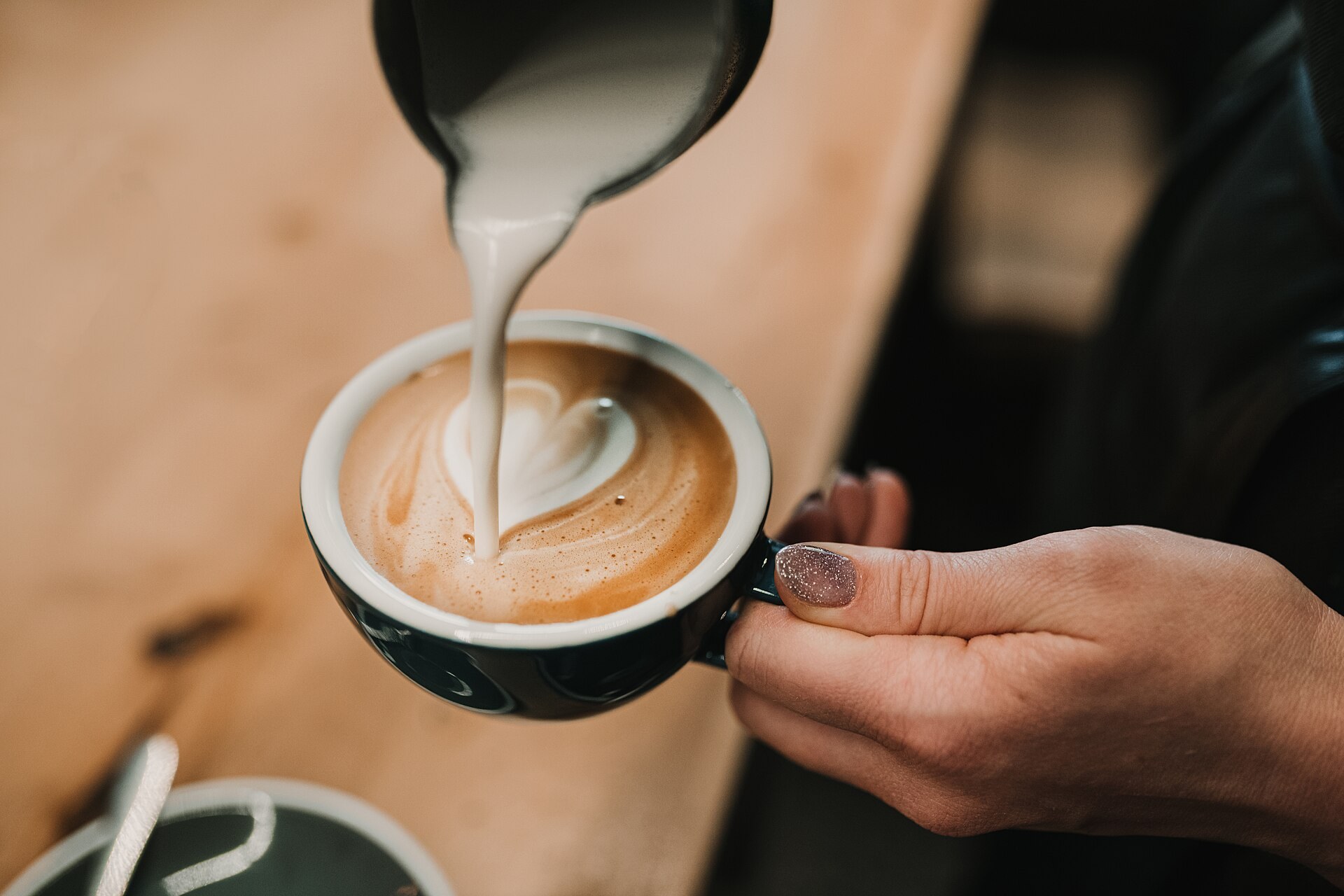
Microfoam is not a cap of large, dry bubbles. It is milk with very small bubbles distributed through the liquid, creating a glossy texture that pours as one body. It should integrate with espresso rather than sitting on top like bath foam.
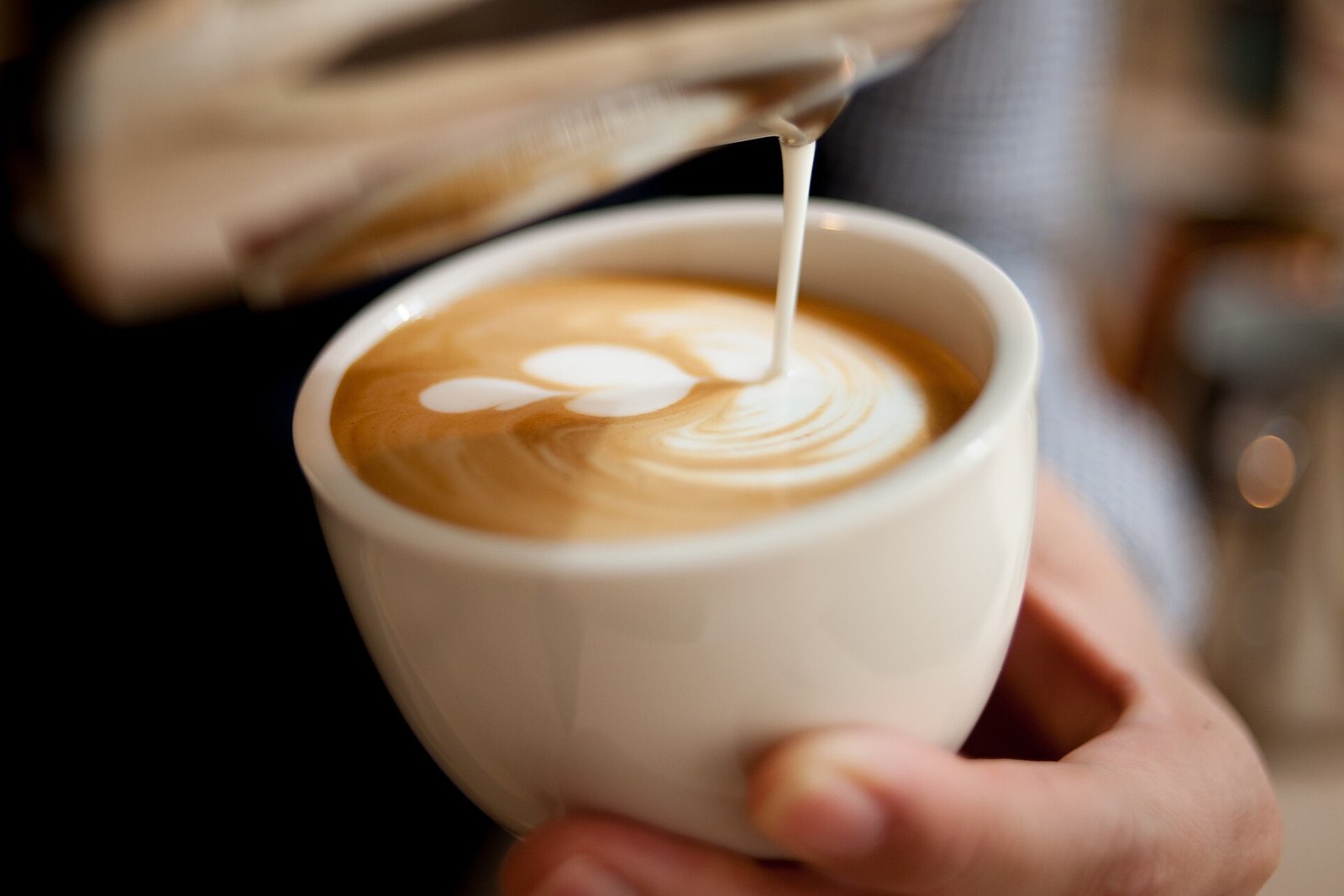
A flat white normally needs a thinner, more fluid texture than a cappuccino. Latte art also needs milk that stretches during pouring without separating into liquid and stiff foam. That is why a cheap whisk can create visible foam but still struggle to produce a controlled pour.
The frother is only one variable. Freshness, protein, fat, starting temperature, quantity and pitcher shape all affect the result. A powerful device cannot rescue milk that is overheated or repeatedly re-frothed.

When a handheld milk frother makes sense
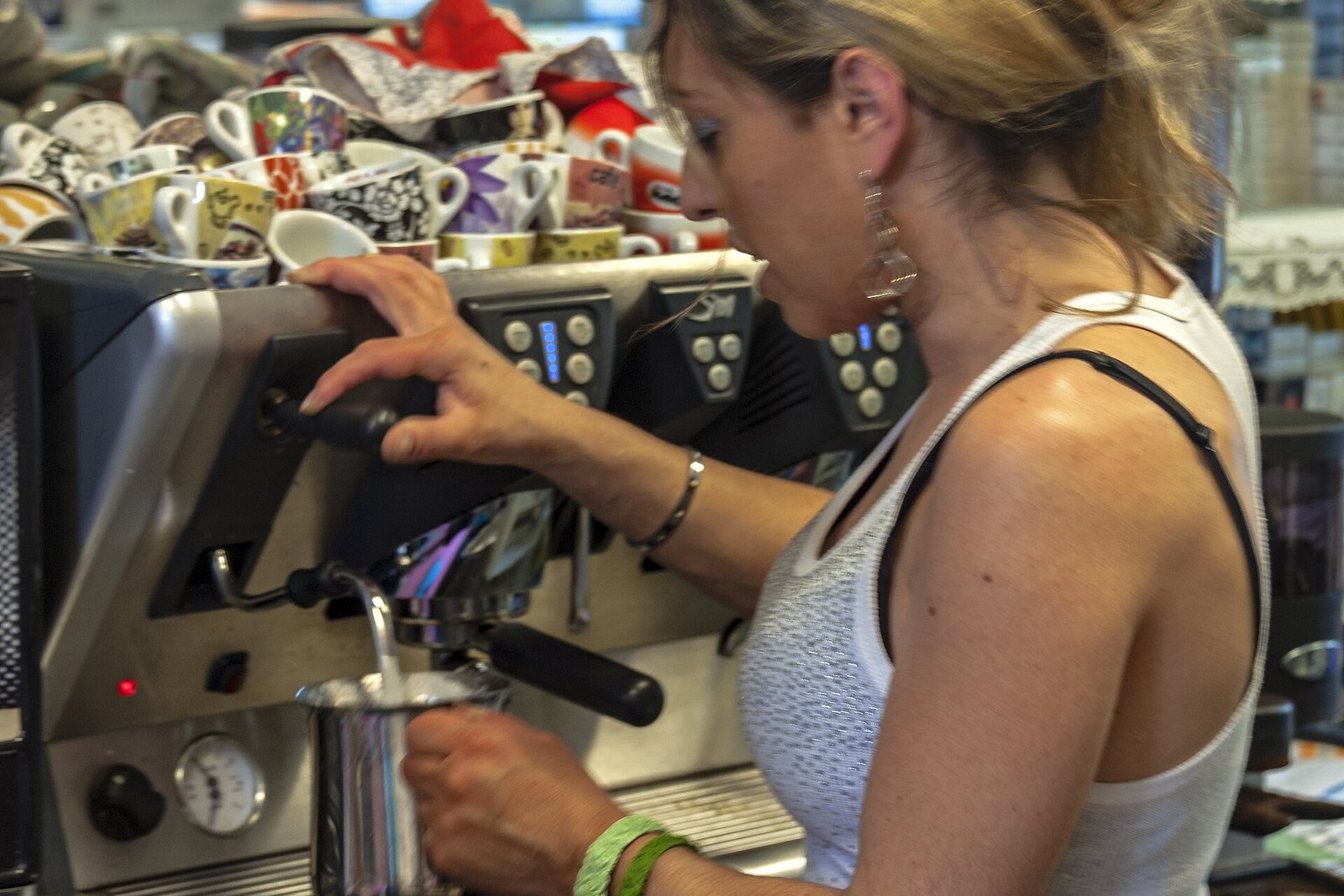
A handheld frother is the smallest route to textured milk when an espresso machine has no steam wand. It works directly in a pitcher or suitable cup and gives the user control over when air is introduced and how long the milk circulates.
Technique matters. Start with enough depth to cover the frothing head, introduce air near the surface for a short period, then move deeper to break larger bubbles into a finer texture. Keeping the tool near the surface for the entire cycle usually creates stiff foam rather than microfoam.
The main inconvenience is heating. Milk can be warmed in a pan, microwave-safe vessel or another approved appliance, but temperature should be checked and the transfer route kept simple. Extra vessels reduce the space advantage if each drink creates several items to wash.
Battery models are convenient when charging access is limited. Rechargeable models remove disposable battery changes but add a cable and battery ageing. Check whether the frothing head, screens and protective cover can be replaced separately.
When an automatic frother earns its counter space
An automatic frother heats and agitates milk in a dedicated jug. The main advantage is repeatability. Fill to the marked level, select a program and prepare the coffee while the cycle runs. That is useful when several people make milk drinks or when the same result is wanted every morning.
Programs may target hot foam, cool foam, thinner microfoam or a denser cappuccino texture. The number of modes matters less than whether the useful everyday setting works with the milk normally purchased.
Check minimum and maximum fill lines. A large machine can be wasteful when only a small flat white is needed, while an undersized jug slows a household making two drinks. The non-stick coating, removable parts and base design also determine how easy the machine is to clean.
Automatic does not mean unattended forever. Milk residue should not sit on a warm surface, and the jug still needs cleaning after each use. A machine with awkward seams can lose its convenience advantage quickly.
Where Subminimal fits into the milk-frother shortlist
Subminimal specialises in home-barista tools rather than general small appliances. Its range includes the handheld NanoFoamer, the automatic NanoFoamer PRO, FlowTip milk jugs, the Subscale dosing cup and the Flick distribution tool.
The current NanoFoamer handheld range uses interchangeable screens to adjust aeration and is offered in rechargeable and battery-operated versions. The published specification lists a 3,500 rpm submerged impeller system. This is aimed at finer, pourable texture rather than simply adding a large volume of foam.
The NanoFoamer PRO is a larger one-touch machine that heats and textures milk automatically. Subminimal lists programs for dairy and alternative milks, with temperature settings from 55°C to 70°C. Plug versions differ by market, including a UK 220-volt option, so select the correct version before ordering.
Choose NanoFoamer when
Storage space is tight, milk can be heated separately and manual texture control is part of the appeal.
Choose NanoFoamer PRO when
One-touch preparation and repeatable temperature are worth the extra cost and counter space.
Look elsewhere when
Basic thick foam is enough, replacement parts are difficult to obtain locally or the available plug and voltage do not match the kitchen.
Dairy milk and plant alternatives behave differently
Dairy milk foams through its proteins, while fat influences richness and stability. Skimmed milk can create a larger volume of foam but may taste thinner. Whole milk usually feels richer and can produce a smooth texture when temperature and aeration are controlled.
Plant milks vary more. Barista-labelled oat, almond or soy products are formulated to improve foaming and stability, but results still differ by brand. Shake the container as directed and use a fresh portion. Separation in the carton will carry into the pitcher.
Start with less aeration than expected. Some plant milks expand quickly and become dry before the bubbles have been refined. If the result repeatedly collapses, change one factor at a time: milk brand, starting temperature, frothing screen or technique.
Do not assume that a setting designed for dairy will suit every alternative milk. Follow the device instructions and the milk maker’s heating guidance, particularly when the drink contains added oils, stabilisers or sugar.
Temperature and workflow matter as much as power
Milk becomes less pleasant when overheated, and different products tolerate heat differently. A thermometer is useful with a handheld frother until the routine becomes repeatable. With an automatic machine, use the lowest setting that gives the preferred drinking temperature and texture.
Plan the order of operations. For a handheld tool, heat the milk, prepare the espresso, froth and pour promptly. For an automatic machine, the milk cycle can run while coffee is brewed, but avoid letting either component wait long enough to lose texture or temperature.
Pitcher dimensions affect circulation. A vessel that is too wide for a handheld impeller may not create a useful vortex; one that is too full leaves no expansion space. Subminimal sells its own FlowTip jugs, but any alternative should be checked for volume, shape and compatibility with the chosen tool.

Cleaning, spare parts and storage
Milk residue should be rinsed before it dries. A handheld frothing head can usually be cleaned immediately in fresh water according to its instructions, while the handle and charging connection may have different water-resistance limits. Do not assume the entire device is dishwasher-safe.
Automatic frothers need attention around the jug base, whisk or flow controller, lid and seals. Removable parts simplify cleaning, but small pieces are easy to lose. Confirm that screens, whisks, controllers and brushes can be purchased separately.
Storage is a practical distinction. A handheld unit can use a wall mount or shallow drawer. An automatic frother needs a stable counter position near power, clearance above the jug and a route to the sink. The same counter-space logic applies when selecting a grinder; the guide to coffee grinders that are easy to live with covers workflow and cleaning beyond the headline specification.
Subminimal free shipping on qualifying US orders
The current Awin text creative states that Subminimal offers free shipping on US orders over $40. It is a regional shipping offer, not a worldwide promise. No start or end date is supplied with the creative, so confirm that the offer remains visible and applies to the basket before checkout.
FREE SHIPPING on US orders over $40
Orders outside the United States may use a different warehouse, delivery charge, import treatment or return route. Subminimal states that UK deliveries ship from the Netherlands, but the checkout destination and exact product page remain the final source for current availability and cost.
Final buying checklist
- 01
Choose the texture
Decide whether the target is pourable flat-white microfoam or a thick cappuccino cap.
- 02
Choose the workflow
Handheld needs separate heating and practice. Automatic trades counter space for repeatability.
- 03
Check milk compatibility
Use the normal dairy or plant milk when comparing programs, screens and capacity.
- 04
Confirm voltage and plug
Automatic models must match the electrical market where they will be used.
- 05
Price cleaning and parts
Check replacement screens, whisks and jugs, along with the daily cleaning route.
Common questions
Is a handheld or automatic milk frother better?
A handheld frother gives more control and uses less space, but needs separate heating and technique. An automatic frother is more repeatable and convenient but costs more and occupies counter space.
Can a handheld frother make latte art microfoam?
It can produce pourable microfoam when the tool is designed to refine bubbles and the technique, milk and pitcher are suitable. Basic high-speed whisks often create thick foam rather than a fine integrated texture.
Does the NanoFoamer heat milk?
The handheld NanoFoamer textures milk but does not replace a separate heating method. The NanoFoamer PRO is an automatic machine that heats and textures milk.
Does Subminimal make a UK version?
Subminimal lists a UK 220-volt plug option for the NanoFoamer PRO. Check the exact product selection and delivery destination before ordering.
What milk works best in a frother?
Fresh dairy milk and barista-formulated plant milks are common starting points. Performance varies by protein, fat, formulation and temperature, so the best choice is the one that produces repeatable texture with the intended device.
Is Subminimal free shipping available worldwide?
The supplied promotion states free shipping on US orders over $40. It does not state worldwide eligibility. Check the current checkout terms for other destinations.