
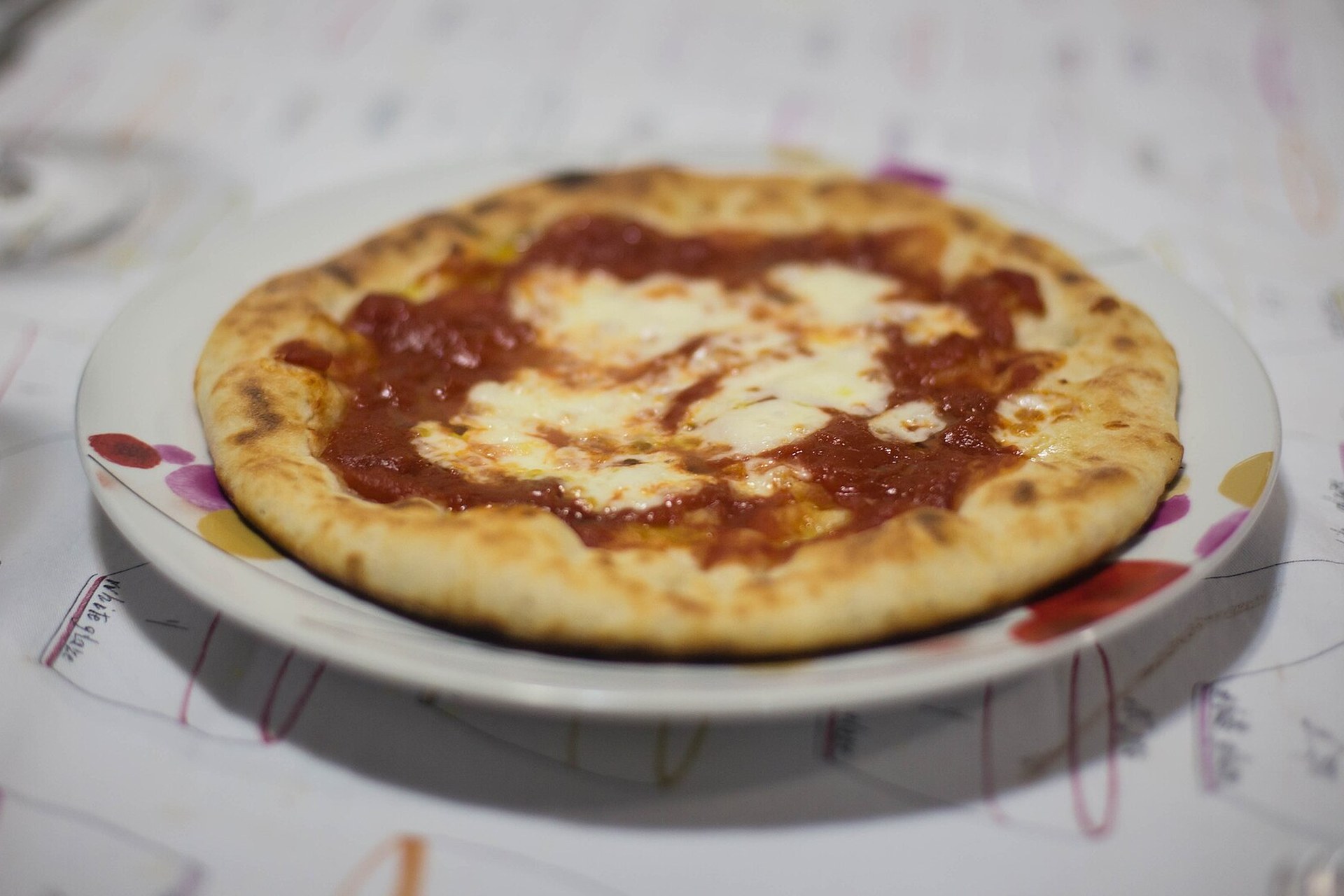
Pizza steel vs pizza stone: which makes a better home-oven crust?
A pizza steel transfers heat into dough faster than a ceramic stone, which can produce a darker, crisper base in an ordinary oven. That extra speed is useful, but the steel is heavier, needs seasoning and can burn a delicate crust when its position or preheat time is wrong.
The quick answer: steel is faster, stone is easier to live with
Choose a pizza steel when the priority is strong bottom heat, quick recovery between pizzas and a deeply browned crust from a conventional home oven. Choose a pizza stone when lower weight, simpler maintenance and a gentler cooking surface matter more than maximum heat transfer.
Neither surface fixes wet dough, overloaded toppings or an oven that has not fully preheated. The useful buying decision is not simply steel versus stone. It is whether the material, dimensions, weight and care routine fit the oven and the way pizza is normally made.
Pizza steel
Best suited to cooks who want a crisp, well-coloured base and are prepared to season, dry and occasionally re-oil the surface.
Pizza stone
Better for buyers who want a lighter surface with no oil seasoning, accepting slower heat transfer and the possibility of cracking through thermal shock.
Neither yet
Wait when the oven shelf rating, internal dimensions or storage route have not been checked. Heavy steel is an awkward purchase when it has nowhere safe to live.
Why a pizza steel behaves differently from a stone
Steel conducts heat far more readily than ceramic or cordierite. When raw dough touches a fully heated steel surface, energy moves into the base quickly. That rapid transfer promotes oven spring, browning and a firmer underside before moisture from the sauce and toppings can soften the centre.
A stone stores heat too, but releases it into the dough more gradually. That can be forgiving for thicker bases and longer bakes. It also means the stone may need more recovery time before the next pizza, especially in an oven with modest heating power.
Heat capacity still matters. A thin sheet heats quickly but loses temperature sooner. A thick slab takes longer to preheat and stores more energy. Material alone does not predict the result without considering thickness, oven temperature, shelf position and dough style.

What changes in the finished pizza?
A correctly used steel usually creates faster spotting and stronger colour underneath. It is particularly useful for thin pizza baked at the highest stable temperature the oven and equipment instructions permit. The top of the pizza still needs enough radiant heat, so moving the steel closer to the upper element or grill may improve balance after the basic bake is understood.
The main failure is an overcooked base with pale toppings. That happens when the steel transfers more heat than the top of the oven can match. A shorter preheat, a lower shelf, a slightly lower temperature or finishing briefly under the grill can restore balance. Change one variable at a time rather than moving the rack and changing the dough simultaneously.
A stone tends to give a wider timing window. It can still produce a crisp base, but the surface may remain lighter and the bake longer. For pan pizza, heavily topped pizza or dough with more sugar, that slower transfer can be an advantage.
Choose size and thickness before comparing prices
Measure the usable oven rack, not the nominal oven width. Leave space around the plate so hot air can circulate and so fingers or tools can reach it safely. A surface that barely fits may block airflow, interfere with rails or become difficult to remove.
Cooking steels are commonly sold in square and rectangular formats. CookingSteels currently lists options including 14 by 14 inches, 16 by 16 inches, 14 by 20 inches and 16 by 22 inches. Available thicknesses vary by model and may include 3/16, 1/4 and 3/8 inch.
- 01
3/16 inch
Lighter and faster to heat. It is easier to move but holds less energy for repeated bakes.
- 02
1/4 inch
A practical middle ground for many home ovens, balancing heat storage against handling weight.
- 03
3/8 inch
Stores substantial heat for several pizzas but becomes very heavy and requires a long, deliberate preheat.
Product weights can range from roughly 14 pounds to 30 pounds across the listed sizes and thicknesses. Confirm the exact figure and the oven manufacturer’s shelf guidance before ordering. A product that performs well but cannot be lifted or stored safely is the wrong size.
Check the oven, rack and handling route
A steel should sit flat on a stable rack with clearance from the oven walls, door and heating elements. Do not place it directly on an oven floor unless both the oven and steel instructions explicitly permit that arrangement. Blocking vents or covering the lower element can affect temperature control and damage the appliance.
Plan how the plate will move before it is hot. Many owners leave a heavy steel in the oven and work around it, but that can alter the performance of ordinary baking. If it must be removed, allow it to cool completely and use a dry, secure grip. A thin edge can be difficult to hold even when the plate is cold.
A wooden peel is useful for launching pizza, while a thin metal peel is often easier for turning and retrieving it. Check that the peel fits the steel and the oven opening. A wide steel paired with an oversized peel can become awkward in a compact kitchen.
Seasoning, cleaning and rust prevention
Carbon steel requires a dry protective oil layer. Follow the maker’s first-use instructions because some products arrive coated, pre-seasoned or freshly blasted. The goal is a very thin film, not a sticky layer. Excess oil polymerises unevenly and can leave gummy patches.
After cooking, let the steel cool. Scrape away burnt flour and food residue without soaking the plate. If water is needed, use the minimum amount, dry the surface immediately and warm it gently to remove remaining moisture. Apply a trace of suitable seasoning oil before storage when the finish looks dry.
Rust usually starts through trapped moisture, wet storage or long gaps between use. Light surface rust can often be removed and the steel re-seasoned according to the manufacturer’s method. Deep pitting, warping or damage around an edge deserves closer inspection before the plate returns to a hot oven.
The maintenance routine resembles other uncoated iron cookware. The guide to cast iron skillets in small kitchens covers the same ownership tradeoff: durable material, useful heat behaviour and a real need for dry storage.
Where CookingSteels fits into the shortlist
CookingSteels focuses on low-carbon steel baking surfaces, pizza and sourdough packages, wooden peels, dough tools, grill grates and griddles. The range is relevant when the buyer wants a purpose-built steel in several dimensions rather than adapting a generic sheet of metal.
The product pages state that the plates are supplied ready for seasoning and are designed for ovens, grills and open-flame setups. Thickness and weight differ by model, so compare the complete specification rather than assuming every plate behaves the same way.
The banner is a general CookingSteels range creative, not a dated discount. Check current sizes, stock, delivery charges, import costs and return conditions on the destination site before purchasing, particularly because steel plates are unusually heavy to ship.
Pizza is not the only reason to buy a steel
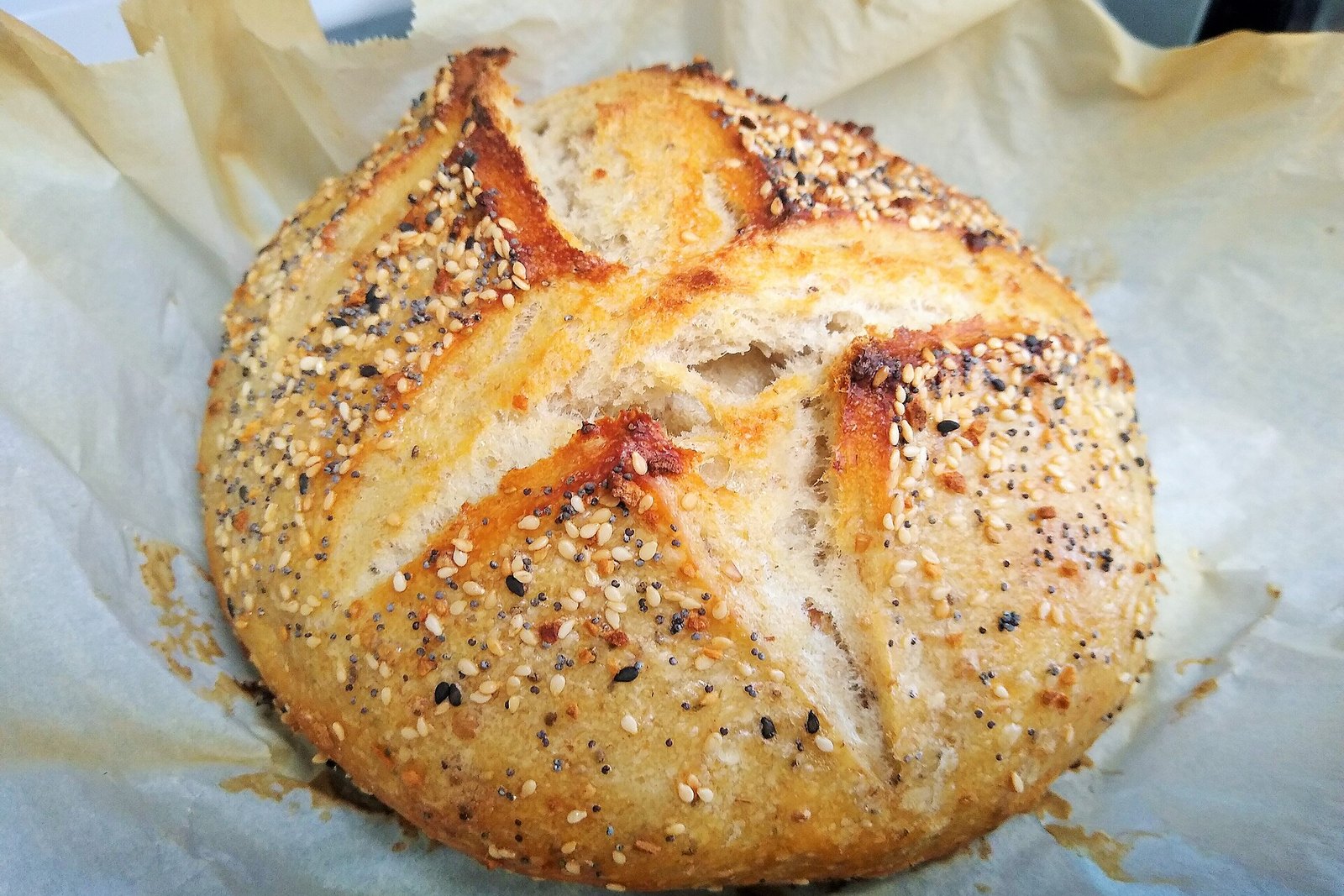
A hot steel can support bread baking by increasing the initial heat delivered to the base. That can help oven spring, but steam management, dough hydration and the top heat of the oven remain important. Use baking paper only within its stated temperature limit.
Some models are designed for grills or open flames and can act as a flat cooking surface for vegetables, burgers or searing. Confirm that the exact product is approved for the intended heat source. Handles, grease management and expansion space matter more outside the controlled environment of an oven.
Versatility should not become a reason to buy an oversized slab. Start with the repeated job. If pizza is occasional and a stone already produces acceptable results, changing the dough or baking position may offer more value than replacing the surface.

Final buying checklist
- 01
Measure the rack
Record usable width and depth, allowing space for airflow and handling.
- 02
Check total weight
Confirm the rack guidance and whether the plate can be moved safely.
- 03
Match the dough style
Fast steel heat suits thin, well-balanced pizza; slower stone heat may suit thicker or heavily topped bases.
- 04
Accept the care routine
Steel needs dry cleaning, seasoning and rust control. Stone needs protection from thermal shock and moisture.
- 05
Price the complete route
Include a suitable peel, storage, delivery charges and possible import costs rather than comparing plate prices alone.
Common questions
Is a pizza steel better than a pizza stone?
A steel transfers heat faster and usually produces a darker, crisper base. A stone is lighter, needs no oil seasoning and offers a gentler bake. The better choice depends on dough style, oven performance, handling and maintenance.
What thickness of pizza steel should I buy?
A 1/4-inch steel is a practical balance for many home ovens. Thinner steel is lighter and heats faster; thicker steel stores more heat but takes longer to preheat and can be extremely heavy.
Can a pizza steel damage an oven rack?
Heavy plates place substantial load on a rack. Check the steel’s exact weight and the oven manufacturer’s guidance. The plate must sit securely without blocking vents or contacting heating elements.
Does a pizza steel need seasoning?
Most uncoated carbon-steel surfaces need a thin protective seasoning layer to reduce rust. Follow the exact maker instructions for cleaning, oil choice and first use.
Can pizza steel be used for bread?
Yes, when the manufacturer permits oven baking. Strong bottom heat can support oven spring and crust formation, but dough, steam and oven temperature still determine the result.
How long should a pizza steel preheat?
Use the manufacturer’s recommendation as the starting point. Thickness, oven power and shelf position affect the time. Longer is not always better because excessive bottom heat can burn the crust.