

Kitchen smoke alarm or heat alarm? Choose the right detector
If burnt toast or a steamy pan repeatedly sets off an alarm, removing the battery is not the answer. The more useful fix is choosing the right sensor for the kitchen and making it part of a wider home alarm system.
The quick answer: a heat alarm is usually the kitchen specialist
A heat alarm is generally the more practical detector inside a kitchen because it responds to a rapid temperature rise or a defined high-temperature threshold rather than ordinary cooking smoke and steam. That makes nuisance alarms less likely during normal frying, grilling or boiling.
It is not a whole-home replacement for smoke alarms. Heat takes longer than smoke to reach a detector, so smoke alarms remain important in halls, landings, living spaces and sleeping areas. A carbon monoxide alarm has a separate job again: it warns of dangerous CO produced by faulty or poorly ventilated fuel-burning appliances.
Heat alarm vs smoke alarm vs carbon monoxide alarm
Heat alarm
Responds to temperature rather than airborne cooking particles. It is commonly chosen for kitchens and garages where smoke or steam could cause repeated nuisance alarms.
Smoke alarm
Detects smoke particles and generally gives earlier warning of a developing fire than a heat-only alarm. Sensor type and placement affect its resistance to cooking-related false alarms.
Carbon monoxide alarm
Detects CO gas. It does not detect smoke, flame or kitchen heat, so it cannot replace either a smoke alarm or a heat alarm.
The right purchase is often a system rather than one multifunction label. A combination smoke-and-CO alarm can cover two hazards in a suitable room, while a dedicated heat alarm handles the kitchen environment. If interconnected models are used, an alarm triggered in one area can sound compatible units elsewhere in the home.
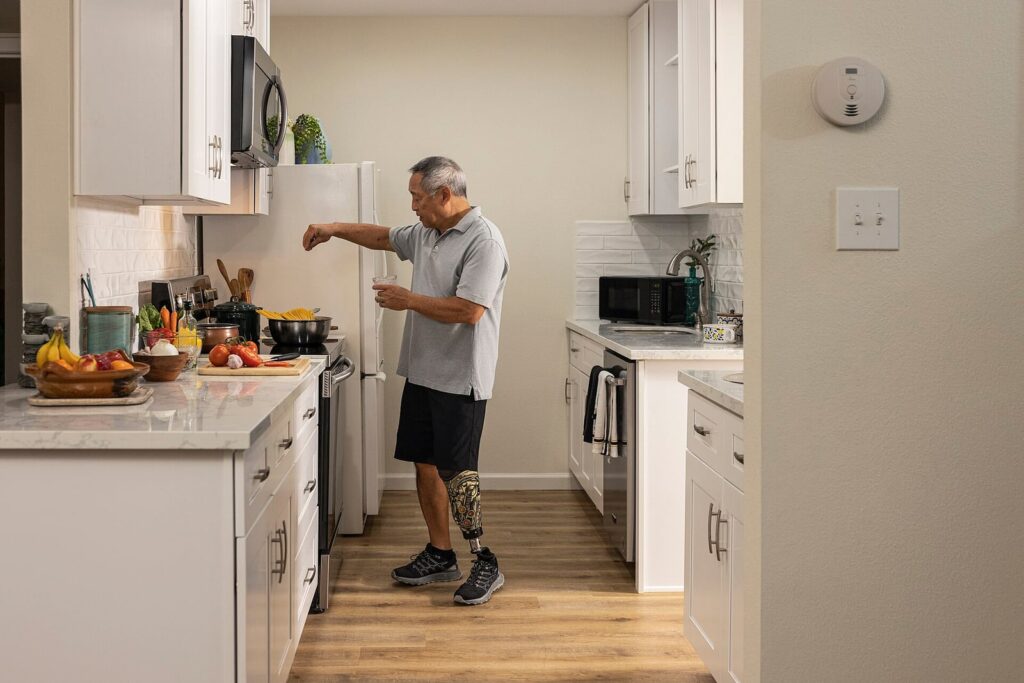

Why kitchens are difficult for ordinary smoke alarms
A kitchen produces airborne particles even when nothing is on fire. Toasting, searing and grilling can release visible smoke, while boiling water, kettles and dishwashers add steam. Aerosol cleaners and a poorly positioned extractor can add more interference.
Moving a smoke alarm farther away may reduce nuisance alarms, but arbitrary placement can also weaken protection. The correct approach depends on room layout, doorways, ceiling shape, ventilation and local rules. Open-plan kitchens need particular care because the cooking area and living space share the same air.
Official fire-safety guidance commonly treats the kitchen heat alarm as one part of a linked system. For example, the Scottish Fire and Rescue Service specifies a heat alarm in the kitchen alongside smoke alarms in other areas. Readers elsewhere should use the equivalent local fire-service or building-regulation guidance.
If an existing alarm sounds frequently, do not cover it, paint it, disconnect it or remove its battery. Identify whether the unit is the wrong sensor type, positioned contrary to its instructions, contaminated or approaching the end of its service life.
Where X-Sense fits into a kitchen alarm shortlist
X-Sense sells standalone and connected smoke alarms, carbon monoxide alarms, combination units and a dedicated smart heat alarm. The range is most relevant when the goal is to build compatible protection across several rooms rather than buy an isolated kitchen gadget.
The published specifications for the XH02-M describe a Class A1 heat sensor, an alarm output of at least 85 dB at 3 metres and integration with the X-Sense SBS50 base station. Its smart and interconnection functions depend on that base-station ecosystem, so the cost and compatibility of the complete system matter more than the price of one alarm.
A sensible shortlist when
You want app alerts, compatible interconnected alarms and the option to combine heat, smoke and CO monitoring within one product family.
Look elsewhere when
You need a fully standalone kitchen unit, already own an incompatible alarm system, or the available model does not carry the certification required where it will be installed.
Browse X-Sense smoke, heat and CO alarms
Product ranges, regional availability, certifications and base-station bundles can change. Check the exact model page and local requirements rather than assuming every X-Sense alarm is suitable for every property.
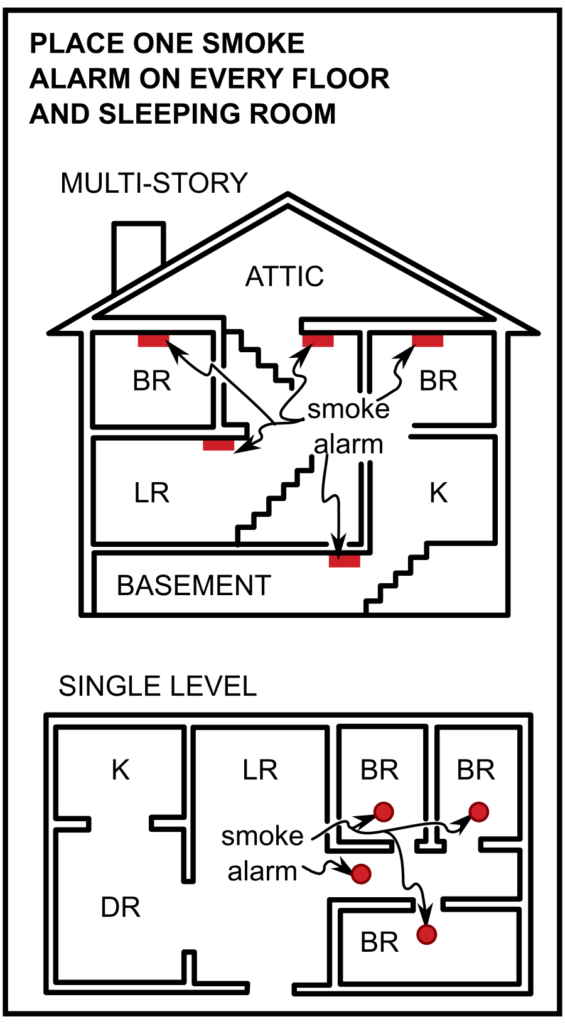
Plan placement as a whole-home system
The kitchen detector should not be chosen in isolation. Start with the entire floor plan: cooking area, living rooms, hallways, stairs, bedrooms, garages and rooms containing fuel-burning appliances. Then decide which hazards need heat, smoke or CO detection and which alarms must communicate with each other.
- 01
Follow the model instructions
Use the mounting position, clearance distances and environmental limits stated for the exact alarm. Do not copy a distance from a different sensor or brand.
- 02
Avoid obvious interference
Ceiling corners, strong draughts, extractor outlets, direct heat above the hob and heavy steam paths can affect alarm behaviour. The manufacturer’s placement diagram should resolve the final position.
- 03
Check audibility
An alarm must be heard from occupied rooms, including behind closed doors and during sleep. Interconnected alarms can help in larger, multi-level or acoustically separated homes.
- 04
Respect local rules
Rental properties, new builds, open-plan layouts and homes with accessibility needs may have additional requirements. Use a qualified installer where mains wiring or regulatory interpretation is involved.

Seven checks before buying a kitchen alarm
- 01
Sensor type
Confirm that the kitchen unit is explicitly described as a heat alarm rather than assuming any smoke detector will tolerate cooking fumes.
- 02
Required certification
Look for the standards and approvals required in the installation country. A certification valid in one market may not satisfy another.
- 03
Standalone or interconnected
Check whether the alarm works by itself, connects directly to other alarms or requires a hub or base station.
- 04
Power and service life
Compare sealed battery, replaceable battery and mains-powered models. Record the replacement date even when the battery is marketed as long-life.
- 05
Testing and silence controls
The test control should be accessible, and any silence function should be clearly explained without disabling future warnings.
- 06
App and hub dependence
Smart notifications are useful only when Wi-Fi, phone permissions, account access and the required base station are maintained. The audible local alarm remains essential.
- 07
Total system cost
Price the heat alarm, smoke alarms, CO alarms, hub and any accessories together. A cheap first device can become an expensive ecosystem.
Kitchen layout also affects everyday risk. Keep combustible clutter away from active appliances and preserve ventilation clearances; the guide to countertop appliance storage mistakes covers common placement problems. Regular removal of grease and residue matters too, including the coating-safe steps in the air fryer basket cleaning guide.
Testing and maintenance after installation
Use the manufacturer’s test button at the recommended interval and confirm that every intended interconnected unit sounds. App status alone is not enough: it does not prove that the audible alarm, sensor chamber and interconnection path are all working correctly.
Keep the unit free from grease, dust, paint and decorative covers. Clean only as instructed, because solvents, sprays and compressed air can damage a sensor. Replace an alarm when it reaches its stated end-of-life date, reports a persistent fault or fails a test after the documented troubleshooting steps.
A kitchen alarm does not make unattended cooking safe. Stay with frying, grilling and high-heat cooking, keep pan handles controlled and avoid storing towels, packaging or appliance cables near the hob. If an alarm activates and there may be a real fire or CO event, leave the property and follow the local emergency procedure rather than spending time diagnosing the device.
Compare the current X-Sense alarm range and compatibility options
Common questions
Should a kitchen have a smoke alarm or a heat alarm?
A heat alarm is commonly preferred inside the kitchen because normal smoke and steam can trigger nuisance alarms. Smoke alarms are still needed elsewhere in the home. Follow the exact local requirements and manufacturer instructions for the property.
Will a heat alarm detect smoke?
No. A heat alarm responds to temperature conditions defined by its sensor. It should not be treated as a replacement for smoke detection in halls, living spaces or sleeping areas.
Does a carbon monoxide alarm detect a kitchen fire?
No. A CO alarm detects carbon monoxide gas, not smoke or heat. Homes with fuel-burning appliances may need CO detection in addition to smoke and heat alarms.
Do X-Sense smart alarms require a base station?
Some X-Sense models connect through the SBS50 base station, while other products are standalone or use a different connection method. Check the exact model and bundle before ordering.
Can a smart notification replace the audible alarm?
No. Phone alerts can add remote awareness, but the local audible alarm is the primary warning for people inside the property.
How often should an alarm be tested?
Use the interval in the manufacturer’s instructions and any applicable local fire-safety guidance. Test the complete interconnected system, not only the phone app.